09.18.14
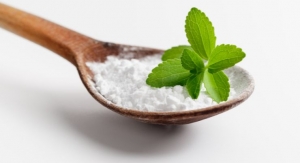
Research published in the journal Nature suggests that artificial sweeteners could hasten the development of glucose intolerance and metabolic disease by changing the composition and function of the gut microbiota.
Findings from Dr. Eran Elinav of the Weizmann Institute’s Immunology Department, and Prof. Eran Segal of the Computer Science and Applied Mathematics Department, indicate that the widespread use of artificial sweeteners in drinks and food may be contributing to the obesity and diabetes epidemic that is sweeping much of the world.
Questions over whether non-caloric artificial sweeteners actually assist in weight loss have been circulating for years, with some studies suggesting that they may even have the opposite effect.
Graduate student Jotham Suez in Dr. Elinav’s lab, who led the study, collaborated with graduate students Tal Korem and David Zeevi in Prof. Segal’s lab and Gili Zilberman-Shapira in Dr. Elinav’s lab in discovering that artificial sweeteners, even though they do not contain sugar, nonetheless have a direct effect on the body’s ability to utilize glucose.
Glucose intolerance —generally thought to occur when the body cannot cope with large amounts of sugar in the diet — is the first step on the path to metabolic syndrome and adult-onset diabetes.
The scientists gave mice water laced with the three most commonly used artificial sweeteners — in the equivalent amounts to those permitted by FDA. These mice developed glucose intolerance, as compared to mice that drank water, or even sugar water. Repeating the experiment with different types of mice and different doses of the sweeteners produced the same results — these substances were somehow inducing glucose intolerance.
Next, the researchers investigated a hypothesis that the gut microbiota are involved in this phenomenon. They thought the bacteria might do this by reacting to new substances like artificial sweeteners, which the body itself may not recognize as “food.” Indeed, artificial sweeteners are not absorbed in the gastrointestinal tract, but in passing through they encounter trillions of the bacteria in the gut microbiota.
The researchers treated mice with antibiotics to eradicate many of their gut bacteria; this resulted in a full reversal of the artificial sweeteners’ effects on glucose metabolism. Next, they transferred the microbiota from mice that consumed artificial sweeteners to “germ-free” mice, resulting in a complete transmission of the glucose intolerance into the recipient mice.
This, in itself, was conclusive proof that changes to the gut bacteria are directly responsible for the harmful effects to their host’s metabolism. The group even found that incubating the microbiota outside the body, together with artificial sweeteners, was sufficient to induce glucose intolerance in the sterile mice. A detailed characterization of the microbiota in these mice revealed profound changes to their bacterial populations, including new microbial functions that are known to infer a propensity to obesity, diabetes and complications of these problems in both mice and humans.
Dr. Elinav and Prof. Segal also evaluated data collected from the Personalized Nutrition Project (www.personalnutrition.org), the largest human trial to date, to look at the connection between nutrition and microbiota in humans. Here, they uncovered a significant association between self-reported consumption of artificial sweeteners, personal configurations of gut bacteria and the propensity for glucose intolerance. They conducted a controlled experiment, asking a group of volunteers who did not generally eat or drink artificially sweetened foods to consume them for a week and then undergo tests of their glucose levels as well as their gut microbiota compositions.
The findings showed that many — but not all — of the volunteers had begun to develop glucose intolerance after just one week of artificial sweetener consumption. The composition of their gut microbiota explained the difference: The researchers discovered two different populations of human gut bacteria, one that induced glucose intolerance when exposed to the sweeteners, the second that had no effect either way. Dr. Elinav believes that certain bacteria in the guts of those who developed glucose intolerance reacted to the chemical sweeteners by secreting substances that then provoked an inflammatory response similar to sugar overdose, promoting changes in the body’s ability to utilize sugar.
“The results of our experiments highlight the importance of personalized medicine and nutrition to our overall health. We believe that an integrated analysis of individualized ‘big data’ from our genome, microbiome and dietary habits could transform our ability to understand how foods and nutritional supplements affect a person’s health and risk of disease,” said Prof. Segal.
Dr. Elinav stated, “Our relationship with our own individual mix of gut bacteria is a huge factor in determining how the food we eat affects us. Especially intriguing is the link between use of artificial sweeteners — through the bacteria in our guts — to a tendency to develop the very disorders they were designed to prevent; this calls for reassessment of today’s massive, unsupervised consumption of these substances.”
The International Food Information Council Foundation commented on the study, suggesting study shortcomings led to the conclusion that non-nutritive sweeteners lead to glucose intolerance. The IFIC Foundation cited that several studies in humans have shown low-calorie sweeteners do not adversely impact glucose and insulin levels, indicating that they can be safely used by consumers, including people with diabetes, to manage calorie and carbohydrate intake.
According to the Foundation, the Nature paper is limited in several ways, including the inability to apply findings in rats directly and uniformly to humans; small sample sizes of the studies, and the use of amounts and forms of low-calorie sweeteners that would not be found in a real life scenario. In addition, they said observational findings cannot be used to conclude a causal relationship, as other confounding factors that may have played a role in the results must be accounted for.
“The fact that this study’s findings are so vastly different from the preponderance of science on this issue is a signal to those evaluating it that there may be issues with the study design,” says Marianne Smith Edge, MS, RD, LD, FADA, senior vice president of Nutrition and Food Safety at the International Food Information Council.
IFIC Foundation’s newly revised “Facts About Low-Calorie Sweeteners,” contains the latest studies that support the efficacy of low-calorie sweeteners for weight management, as well as the positions of credible health organizations, such as the Academy of Nutrition and Dietetics, American Diabetes Association, and American Heart Association regarding the safe use of low-calorie sweeteners in reducing calorie and carbohydrate intake.
Findings from Dr. Eran Elinav of the Weizmann Institute’s Immunology Department, and Prof. Eran Segal of the Computer Science and Applied Mathematics Department, indicate that the widespread use of artificial sweeteners in drinks and food may be contributing to the obesity and diabetes epidemic that is sweeping much of the world.
Questions over whether non-caloric artificial sweeteners actually assist in weight loss have been circulating for years, with some studies suggesting that they may even have the opposite effect.
Graduate student Jotham Suez in Dr. Elinav’s lab, who led the study, collaborated with graduate students Tal Korem and David Zeevi in Prof. Segal’s lab and Gili Zilberman-Shapira in Dr. Elinav’s lab in discovering that artificial sweeteners, even though they do not contain sugar, nonetheless have a direct effect on the body’s ability to utilize glucose.
Glucose intolerance —generally thought to occur when the body cannot cope with large amounts of sugar in the diet — is the first step on the path to metabolic syndrome and adult-onset diabetes.
The scientists gave mice water laced with the three most commonly used artificial sweeteners — in the equivalent amounts to those permitted by FDA. These mice developed glucose intolerance, as compared to mice that drank water, or even sugar water. Repeating the experiment with different types of mice and different doses of the sweeteners produced the same results — these substances were somehow inducing glucose intolerance.
Next, the researchers investigated a hypothesis that the gut microbiota are involved in this phenomenon. They thought the bacteria might do this by reacting to new substances like artificial sweeteners, which the body itself may not recognize as “food.” Indeed, artificial sweeteners are not absorbed in the gastrointestinal tract, but in passing through they encounter trillions of the bacteria in the gut microbiota.
The researchers treated mice with antibiotics to eradicate many of their gut bacteria; this resulted in a full reversal of the artificial sweeteners’ effects on glucose metabolism. Next, they transferred the microbiota from mice that consumed artificial sweeteners to “germ-free” mice, resulting in a complete transmission of the glucose intolerance into the recipient mice.
This, in itself, was conclusive proof that changes to the gut bacteria are directly responsible for the harmful effects to their host’s metabolism. The group even found that incubating the microbiota outside the body, together with artificial sweeteners, was sufficient to induce glucose intolerance in the sterile mice. A detailed characterization of the microbiota in these mice revealed profound changes to their bacterial populations, including new microbial functions that are known to infer a propensity to obesity, diabetes and complications of these problems in both mice and humans.
Dr. Elinav and Prof. Segal also evaluated data collected from the Personalized Nutrition Project (www.personalnutrition.org), the largest human trial to date, to look at the connection between nutrition and microbiota in humans. Here, they uncovered a significant association between self-reported consumption of artificial sweeteners, personal configurations of gut bacteria and the propensity for glucose intolerance. They conducted a controlled experiment, asking a group of volunteers who did not generally eat or drink artificially sweetened foods to consume them for a week and then undergo tests of their glucose levels as well as their gut microbiota compositions.
The findings showed that many — but not all — of the volunteers had begun to develop glucose intolerance after just one week of artificial sweetener consumption. The composition of their gut microbiota explained the difference: The researchers discovered two different populations of human gut bacteria, one that induced glucose intolerance when exposed to the sweeteners, the second that had no effect either way. Dr. Elinav believes that certain bacteria in the guts of those who developed glucose intolerance reacted to the chemical sweeteners by secreting substances that then provoked an inflammatory response similar to sugar overdose, promoting changes in the body’s ability to utilize sugar.
“The results of our experiments highlight the importance of personalized medicine and nutrition to our overall health. We believe that an integrated analysis of individualized ‘big data’ from our genome, microbiome and dietary habits could transform our ability to understand how foods and nutritional supplements affect a person’s health and risk of disease,” said Prof. Segal.
Dr. Elinav stated, “Our relationship with our own individual mix of gut bacteria is a huge factor in determining how the food we eat affects us. Especially intriguing is the link between use of artificial sweeteners — through the bacteria in our guts — to a tendency to develop the very disorders they were designed to prevent; this calls for reassessment of today’s massive, unsupervised consumption of these substances.”
The International Food Information Council Foundation commented on the study, suggesting study shortcomings led to the conclusion that non-nutritive sweeteners lead to glucose intolerance. The IFIC Foundation cited that several studies in humans have shown low-calorie sweeteners do not adversely impact glucose and insulin levels, indicating that they can be safely used by consumers, including people with diabetes, to manage calorie and carbohydrate intake.
According to the Foundation, the Nature paper is limited in several ways, including the inability to apply findings in rats directly and uniformly to humans; small sample sizes of the studies, and the use of amounts and forms of low-calorie sweeteners that would not be found in a real life scenario. In addition, they said observational findings cannot be used to conclude a causal relationship, as other confounding factors that may have played a role in the results must be accounted for.
“The fact that this study’s findings are so vastly different from the preponderance of science on this issue is a signal to those evaluating it that there may be issues with the study design,” says Marianne Smith Edge, MS, RD, LD, FADA, senior vice president of Nutrition and Food Safety at the International Food Information Council.
IFIC Foundation’s newly revised “Facts About Low-Calorie Sweeteners,” contains the latest studies that support the efficacy of low-calorie sweeteners for weight management, as well as the positions of credible health organizations, such as the Academy of Nutrition and Dietetics, American Diabetes Association, and American Heart Association regarding the safe use of low-calorie sweeteners in reducing calorie and carbohydrate intake.