01.15.16
A study by Stanford University School of Medicine investigators raises concerns that the lower-fiber diets typical in industrialized societies may produce internal deficiencies that get passed along to future generations.
The study, conducted in mice, indicates that low-fiber diets not only deplete the complex microbial ecosystems residing in every mammalian gut, but can cause an irreversible loss of diversity within those ecosystems in as few as three or four generations.
Once an entire population has experienced the extinction of key bacterial species, simply “eating right” may no longer be enough to restore these lost species to the guts of individuals in that population, the study suggests. Those of us who live in advanced industrial societies may already be heading down that path.
The proliferation of nearly fiber-free, processed convenience foods since the mid-20th century has resulted in average per capita fiber consumption in industrialized societies of about 15 grams per day. That’s as little as one-tenth of the intake among the world’s dwindling hunter-gatherer and rural agrarian populations, whose living conditions and dietary intake presumably most closely resemble those of our common human ancestors, said Justin Sonnenburg, PhD, associate professor of microbiology and immunology and senior author of the study, published Jan. 13 in Nature.
Suboptimal Diets
Virtually all health experts agree that low-fiber diets are suboptimal. Probably the chief reason for this is that fiber, which can’t be digested by human enzymes, is the main food source for the commensal bacteria that colonize our colons, Dr. Sonnenburg said.
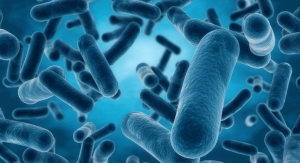
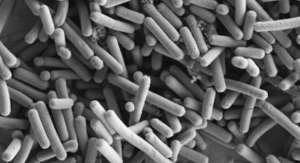
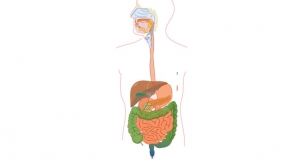
Thousands of distinct bacterial species inhabit every healthy individual’s large intestine. “We would have difficulty living without them,” he said. “They fend off pathogens, train our immune systems and even guide the development of our tissues.” While we pick up these microscopic passengers in the course of routine exposures throughout our lifetimes, one of the most significant sources of our intestinal bacterial populations is our immediate family, especially our mothers during childbirth and infancy.
Surveys of humans’ gut-dwelling microbes have shown that the diversity of bacterial species inhabiting the intestines of individual members of hunter-gatherer and rural agrarian populations greatly exceeds that of individuals living in modern industrialized societies, Dr. Sonnenburg said. In fact, these studies indicate the complete absence, throughout industrialized populations, of numerous bacterial species that are shared among many of the hunter-gatherer and rural agrarian populations surveyed, despite those groups’ being dispersed across vast geographic expanses ranging from Africa to South America to Papua New Guinea.
High- Versus Low-Fiber Diet
“Numerous factors including widespread antibiotic use, more-frequent cesarean sections and less-frequent breastfeeding have been proposed for why we see this depletion in industrialized populations,” said the study’s lead author, Erica Sonnenburg, PhD, a senior research scientist at Stanford (she and Justin Sonnenburg are married). “We asked ourselves whether the huge difference in dietary fiber intake between traditional and modern populations could, alone, account for it.”
The Stanford researchers employed young laboratory mice that had been specially bred and raised in aseptic environments so that, unlike ordinary mice (and ordinary humans), their intestines were devoid of any microbial inhabitants. After populating the mice’s guts with microbes from a human donor, the scientists divided them into two groups. One group was fed a diet rich in plant-derived fiber. The other group’s diet, equivalent to the first with respect to protein, fat and calories, was practically devoid of fiber content.
During the experimentation that followed, the researchers analyzed fecal samples from the animals. The two groups’ gut-bacteria profiles were initially indistinguishable but soon diverged. “Within a couple of weeks, we saw a massive change,” said Justin Sonnenburg. “The low-fiber-intake mice harbored fewer bacterial species in their gut.” More than half of these bacterial species’ numbers had dwindled by over 75%, and many species seemed to have disappeared altogether.
After seven weeks, the mice that had consumed a low-fiber diet were switched back to a high-fiber diet for four weeks. The mice's gut-bacteria profiles partly recovered — probably due to an uptick in abundance of some bacteria whose ranks had declined to undetectable levels during the low-fiber-intake period. Still, this restoration was only partial: One-third of the original species never fully recovered despite their return to a high-fiber diet.
No such changes were seen in the control mice consistently fed a high-fiber diet.
Generational Effects
The real surprise came after mice had been bred and maintained on low-fiber diets for a few generations. In their experimental confines, these mice were exposed to microbes only through contact with their parents. Each successive generation’s gut-bacterial ecosystem declined in diversity. By generation four, the depletion had reached a point where nearly three-quarters of the bacterial species resident in their great-grandparents’ guts appeared absent in their own. Even after these mice were put back on a high-fiber diet, more than two-thirds of the bacterial species identified in the guts of their first-generation ancestors proved irretrievable, indicating extinction of those species by the fourth generation of fiber deprivation.
On the other hand, a somewhat more aggressive measure—fecal transplantation—did result in these lost species’ retrieval, the study found. Introducing fecal contents of fourth-generation high-fiber-diet mice into the intestines of fourth-generation low-fiber mice, together with putting them on the high-fiber diet for two weeks, fully restored their bacterial profiles. Within 10 days of the procedure, the composition and diversity of the bacteria in the intestines of this group were indistinguishable from those of control mice.
These findings hold major implications for humans, said Erica Sonnenburg. “There are very few ecosystems where low species diversity is a good thing. There’s no reason to think our gut is any exception,” she said.
Possible Fixes
“The extremely low-fiber intake in industrialized countries has occurred relatively recently,” noted Justin Sonnenburg. “Is it possible that over the next few generations we’ll lose even more species in our gut? And what will the ramifications be for our health?”
Simple tweaks in our cultural practices—for example, not washing our hands after gardening or petting our dogs—could be a step in the right direction, and steering away from overuse of antibiotics certainly is, he said. More extreme measures, such as mass fecal transplants, would require large-scale testing to make sure they are both necessary and safe.
The study was funded by the National Institutes of Health (grant R01DK085025). Other Stanford authors of the study were graduate student Samuel Smits and life-science research professional Steven Higginbottom. Stanford’s Department of Microbiology and Immunology also supported the work.
The study, conducted in mice, indicates that low-fiber diets not only deplete the complex microbial ecosystems residing in every mammalian gut, but can cause an irreversible loss of diversity within those ecosystems in as few as three or four generations.
Once an entire population has experienced the extinction of key bacterial species, simply “eating right” may no longer be enough to restore these lost species to the guts of individuals in that population, the study suggests. Those of us who live in advanced industrial societies may already be heading down that path.
The proliferation of nearly fiber-free, processed convenience foods since the mid-20th century has resulted in average per capita fiber consumption in industrialized societies of about 15 grams per day. That’s as little as one-tenth of the intake among the world’s dwindling hunter-gatherer and rural agrarian populations, whose living conditions and dietary intake presumably most closely resemble those of our common human ancestors, said Justin Sonnenburg, PhD, associate professor of microbiology and immunology and senior author of the study, published Jan. 13 in Nature.
Suboptimal Diets
Virtually all health experts agree that low-fiber diets are suboptimal. Probably the chief reason for this is that fiber, which can’t be digested by human enzymes, is the main food source for the commensal bacteria that colonize our colons, Dr. Sonnenburg said.
Thousands of distinct bacterial species inhabit every healthy individual’s large intestine. “We would have difficulty living without them,” he said. “They fend off pathogens, train our immune systems and even guide the development of our tissues.” While we pick up these microscopic passengers in the course of routine exposures throughout our lifetimes, one of the most significant sources of our intestinal bacterial populations is our immediate family, especially our mothers during childbirth and infancy.
Surveys of humans’ gut-dwelling microbes have shown that the diversity of bacterial species inhabiting the intestines of individual members of hunter-gatherer and rural agrarian populations greatly exceeds that of individuals living in modern industrialized societies, Dr. Sonnenburg said. In fact, these studies indicate the complete absence, throughout industrialized populations, of numerous bacterial species that are shared among many of the hunter-gatherer and rural agrarian populations surveyed, despite those groups’ being dispersed across vast geographic expanses ranging from Africa to South America to Papua New Guinea.
High- Versus Low-Fiber Diet
“Numerous factors including widespread antibiotic use, more-frequent cesarean sections and less-frequent breastfeeding have been proposed for why we see this depletion in industrialized populations,” said the study’s lead author, Erica Sonnenburg, PhD, a senior research scientist at Stanford (she and Justin Sonnenburg are married). “We asked ourselves whether the huge difference in dietary fiber intake between traditional and modern populations could, alone, account for it.”
The Stanford researchers employed young laboratory mice that had been specially bred and raised in aseptic environments so that, unlike ordinary mice (and ordinary humans), their intestines were devoid of any microbial inhabitants. After populating the mice’s guts with microbes from a human donor, the scientists divided them into two groups. One group was fed a diet rich in plant-derived fiber. The other group’s diet, equivalent to the first with respect to protein, fat and calories, was practically devoid of fiber content.
During the experimentation that followed, the researchers analyzed fecal samples from the animals. The two groups’ gut-bacteria profiles were initially indistinguishable but soon diverged. “Within a couple of weeks, we saw a massive change,” said Justin Sonnenburg. “The low-fiber-intake mice harbored fewer bacterial species in their gut.” More than half of these bacterial species’ numbers had dwindled by over 75%, and many species seemed to have disappeared altogether.
After seven weeks, the mice that had consumed a low-fiber diet were switched back to a high-fiber diet for four weeks. The mice's gut-bacteria profiles partly recovered — probably due to an uptick in abundance of some bacteria whose ranks had declined to undetectable levels during the low-fiber-intake period. Still, this restoration was only partial: One-third of the original species never fully recovered despite their return to a high-fiber diet.
No such changes were seen in the control mice consistently fed a high-fiber diet.
Generational Effects
The real surprise came after mice had been bred and maintained on low-fiber diets for a few generations. In their experimental confines, these mice were exposed to microbes only through contact with their parents. Each successive generation’s gut-bacterial ecosystem declined in diversity. By generation four, the depletion had reached a point where nearly three-quarters of the bacterial species resident in their great-grandparents’ guts appeared absent in their own. Even after these mice were put back on a high-fiber diet, more than two-thirds of the bacterial species identified in the guts of their first-generation ancestors proved irretrievable, indicating extinction of those species by the fourth generation of fiber deprivation.
On the other hand, a somewhat more aggressive measure—fecal transplantation—did result in these lost species’ retrieval, the study found. Introducing fecal contents of fourth-generation high-fiber-diet mice into the intestines of fourth-generation low-fiber mice, together with putting them on the high-fiber diet for two weeks, fully restored their bacterial profiles. Within 10 days of the procedure, the composition and diversity of the bacteria in the intestines of this group were indistinguishable from those of control mice.
These findings hold major implications for humans, said Erica Sonnenburg. “There are very few ecosystems where low species diversity is a good thing. There’s no reason to think our gut is any exception,” she said.
Possible Fixes
“The extremely low-fiber intake in industrialized countries has occurred relatively recently,” noted Justin Sonnenburg. “Is it possible that over the next few generations we’ll lose even more species in our gut? And what will the ramifications be for our health?”
Simple tweaks in our cultural practices—for example, not washing our hands after gardening or petting our dogs—could be a step in the right direction, and steering away from overuse of antibiotics certainly is, he said. More extreme measures, such as mass fecal transplants, would require large-scale testing to make sure they are both necessary and safe.
The study was funded by the National Institutes of Health (grant R01DK085025). Other Stanford authors of the study were graduate student Samuel Smits and life-science research professional Steven Higginbottom. Stanford’s Department of Microbiology and Immunology also supported the work.