Casey Adams05.01.09
The medicinal use of cultured and fermented foods dates back thousands of years. For ancient healers from the Indus Valley, Egyptian, Greek, Roman, African and European civilizations, probiotic-laden foods provided many health benefits. Then about a century ago, Nobel laureate Ilya Mechnikov proposed the novel idea that these benefits were derived from tiny Lactobacillus bacteria.
Today the world is in the midst of a probiotic boom, with a burgeoning marketplace launching hundreds of new products annually. In the U.S., probiotic food and supplement sales are approaching $1 billion, while in Europe sales are approaching €7 billion, according to Julian Mellentin, editor of U.K.-based New Nutrition Business. Further, Frost & Sullivan has predicted that the U.S. probiotic market will grow to $1.7 billion by 2013.
At the same time, science continues to unravel the complex mechanisms and many benefits derived from the more than 500 species of probiotic microorganisms that inhabit our bodies from head to toe, with populations concentrated in our intestinal tracts, where some estimate 70% of the immune system lies.
The 50-year "experiment" with prescription and animal antibiotics is showing signs of failure because pathogens have devised "superbug" facilities to outmaneuver these static remedies. Today, probiotic research is ushering in a new era that will re-enlist the antibiotic tools of living organisms to combat disease. By isolating and studying nature's tiny jungle warriors, medicine is learning how to wield the "super" weapons drawn by friendly microorganisms.
Probiotic mechanisms are complex and varied, and the challenges of harnessing the potential of probiotics are many. As S.K. Dash, PhD, former South Dakota head of FDA, and now president of probiotic producer UAS Labs, Minneapolis, MN, puts it, "probiotic mechanisms are strain specific, condition specific and dose specific."
Khem Shahani, PhD, a leader in probiotic research for more than four decades, concluded that even the same strains grown in different environments produced different effects. "Conflicting results may very well be due to the different strains used, different manufacturing or propagation methods employed, and, of course, the different techniques used by scientists," wrote Dr. Shahani.
Probiotics are living organisms. As such, they create territorial strategies to protect their turf and their host. Dr. Mechnikov hypothesized that the beneficial effects of lactobacilli arise from the lactic acid they excrete. Indeed, the lactic acid produced by both Lactobacillus and Bifidobacterium species sets up the ultimate pH control in the gut to repel antagonistic organisms.
In addition to lactic acid, many probiotic strains also produce hydrogen peroxide as lactoperoxidase. They are also capable of producing acetic acids, lipopolysaccharides, peptidoglycans, superantigens, heat shock proteins and bacterial DNA-all in precise proportion to nourish each other, inhibit challengers and/or benefit the host. Precision is the key. For example, some bifidobacteria secrete a 3:2 acetic acid to lactic acid ratio as a lethal barricade against invading bacteria.
Probiotics also have the ability to secrete several key nutrients crucial to the body's metabolism, including the B vitamins pantothenic acid, pyridoxine, niacin, folic acid, cobalamin and biotin, in addition to vitamin K.
Probiotics also produce antibacterial molecules called bacteriocins. For example, Lactobacillus plantarum produces lactolin; Lactobacillus bulgaricus secretes bulgarican; and Lactobacillus acidophilus produces aciophilin, acidolin, bacterlocin and lactocidin. These and other substances equip probiotic strains with the mechanisms to combat and reduce pathologies related to Shigella, Coliform, Pseudomonas, Klebsiella, Staphylococcus, Clostridium, Escherichia and other infections. Furthermore, antifungal biochemicals from the likes of L. acidophilus, B. bifidum and E. faecium and others also significantly reduce fungal outbreaks caused by Candida albicans.
These types of antimicrobial tools also give probiotics the ability to counter the mighty H. pylori bacterium, which is known to be at the root of a majority of ulcers. In fact, H. pylori inhibition has been observed in studies on L. acidophilus DDS-1, L. rhamnosus GG, L. rhamnosus Lc705, Propionibacterium freudenreichii and Bifidobacterium breve Bb99.
Probiotic mechanisms also are increasingly being linked to inflammatory and allergic responses due to the role they play in maintaining the epithelial barrier function in the intestinal tract. Probiotic imbalances have been connected to increased intestinal permeability-often referred to as "leaky gut syndrome." Without an adequate barrier and the proper hydrolyzing of food molecules, larger food molecules, yeasts and even bacteria are thought to be able to enter the bloodstream, thus triggering inflammatory responses such as asthma and rheumatoid arthritis.
Illustrating this inflammation connection, both Lactobacillus rhamnosus GG and Bifidobacterium lactis Bb-12 treatments significantly reduced the incidence of atopic eczema in one study of 15 infants. Intestinal mucosa expert and Finish professor Arthur Ouwehand, PhD, postulated that this likely relates to the improvement of the mucosal intestinal barrier rendered through probiotic use.
There is some evidence that probiotics may have cardiovascular benefits as well. Thirty-three healthy women were given either probiotic-supplemented yogurt or non-supplemented yogurt in a Polish randomized, double-blind trial in 2007. Those given the probiotic yogurt had significantly lower LDL cholesterol and greater HDL levels than those given the regular yogurt. In another study, Lactobacillus plantarum 299v significantly decreased systolic blood pressure, fibrinogen and LDL cholesterol levels in 36 men and women smokers after six weeks. While the mechanisms have not been confirmed, it has been hypothesized that orotic acid produced during lactic acid fermentation may inhibit cholesterol production in the liver. The Polish study also found that monocyte adhesion among artery cell walls significantly increased among the probiotic group.
Probiotics also appear to encourage the absorption and binding of calcium, minerals and other bone composition factors. The mechanisms of these benefits are thought to be related to increased mineral solubility, osteocalcin formation through vitamin K production, and the presence of short-chain fatty acids, which are all prominent byproducts of probiotic feeding. Calcium-binding proteins and phytic acid degradation also appear to assist in the creation of greater bone mass.
Probiotics also have the ability to reduce procarcinogens and even suppress tumor genesis. This has been shown in several in vivo studies with L. bulgaricus, L. reuteri, L. casei Shirota and Bifidobacterium infantis. In the L. reuteri research probiotic biofilms were created, which modulated cytokine and TNF production. In the B. infantis research, separated bacterial cell wall material also maintained anti-tumor suppression.
Research has also shown that probiotics play a critical role in the mouth and throat. Rick Swartzburg, DC, has spent the last five years researching probiotic colonization within the oral cavity of the upper respiratory system to combat throat infections. His research led him to incorporate three strains-L. reuteri, L. salivarius and L. plantarum-into a probiotic zinc lozenge called Throat-Biotics. In his work, Dr. Swartzburg found that only particular probiotic strains of these species were effective. "Some strains of the same genus and species were too aggressive and actually created negative results," he said.
The potential effects of particular L. reuteri strains on oral health, and on salivary mutans streptococci in particular-one of the main culprits in gingivitis-is significant. In one randomized, placebo-controlled study of 80 young adult volunteers, those given a chewing gum with two strains of L. reuteri had significantly less streptococci after chewing three times daily after meals. In another study of 59 gingivitis patients performed at Malmo University in Sweden, significantly less plaque, gingivitis and gum bleeding was reported among those taking L. reuteri strains for 14 days.
According to Professor Svante Twetman from University of Copenhagen's Department of Cariology and Endodontics, probiotics like L. reuteri seem to interact with the immune system to down-regulate inflammation triggers. In professor Twetman's Denmark study, inflammatory mediators TNF-alpha and IL-8 were significantly reduced in the probiotic group.
This oral anti-inflammatory effect was also demonstrated in 2008 research on the probiotic activity of Streptococcus salivarius K12 by scientists at the University of British Columbia in Vancouver, Canada. Here the S. Salivarius K12 strain-exclusively licensed by Frutarom as BLIS K12 from BLIS Technologies Ltd.-exhibits a pronounced anti-inflammatory effect by inhibiting pathways such as NF-kappaB. BLIS K12 also apparently produces antibacterial peptides specific to the oral cavity and upper respiratory region. The study suggested that BLIS K12 may also switch on the genes in epithelial tissue responsible for cellular repair following pathogen damage. Preliminary findings from a recent study from the University of Otago in New Zealand indicate that BLIS K12 may also spread its anti-inflammatory effects beyond the oral cavity into the upper respiratory tract.
The American Type Culture Collection in Manassas Virginia and the Collection Nationale de Cultures de Microorganismes at the Institut Pasteur in France are crammed with hundreds of registered probiotic strains, many with accompanying clinical research showing benefits to humans. A lot of these belong to the mostly anaerobic Lactobacillus genus, which includes strains of L. acidophilus, L. salivarius, L. casei, L. rhamnosus, L. reuteri, L. plantarum, L. bulgaricus and L. brevis. Although lactobacilli are considered hardy, aggressive and combative toward invaders, they only comprise about 1% of the body's total probiotic populations.
The Bifidobacterium genus makes up the large majority of the human body's resident strains. It thus makes sense that strains of B. bifidum, B. infantis, B. longum, B. lactis, B. breve and many others have been found to have the most therapeutic probiotic activity. While Lactobacilli predominate in the small intestine, Bifidobacterium control and supervise the colon.
Other genera on the probiotic all-star list include Streptococcus thermophilus, Bacillus coagulans and Enterococcus faecium, among others. Beneficial probiotic yeasts include Saccharomyces boulardii and Saccharomyces cerevisiae, which are both important to many fermented foods.
"Our body's native bacteria are established during infancy through weaning," explained Mary Ellen Sanders, PhD, of probiotic consultancy Dairy & Food Culture Technologies, Centennial, CO. "Additional probiotic supplementation has not been shown to result in long-term implantation. There is some evidence that bacterial shifts may occur during old age, but for the most part, our colonizing microbes-even if disrupted by antibiotics or other stressors-appear to rebound back to our unique bacterial composition."
Dr. Shahani, a professor at the University of Nebraska, led research teams to isolate a variety of probiotic strains. Among these strains, DDS-1 (which stands for "Department of Dairy Sciences") L. acidophilus proved to be the most resilient. Dr. Shahani's research showed DDS-1 had better survival rates in response to environmental variation, proved resistant to several antibiotics (such as penicillin, aureomycin and streptomycin), and could survive stomach acidity and bile salts. "Because DDS-1 was isolated from a human source, it is exceedingly well accepted by the human body," according to Dr. Shahani.
Robert Unal, PhD, science manager, Yakult USA, Torrance, CA, shared the strain-specific benefits of Yakult's proprietary L. casei Shirota strain. "In 1930, Dr. Minoru Shirota successfully cultured and selected L. casei Shirota because of its ability to reach the intestines alive. L. casei Shirota is resistant to gastric juice and bile acids, enabling it to establish itself in the intestinal tract," said Dr. Unal.
Lakshmi Prakash, PhD, vice president, Innovation & BusinessDevelopment, Sabinsa, Piscataway, NJ, discussed her company's Lactospore Bacillus coagulans ATCC 7050, formerly referred to as Lactobacillus sporogenes in the scientific literature. L. Sporongenes was described initially in 1932 by L.M. Horowitz-Wlassowa and N.W. Nowotelnow. Professor O. Nakayama of Japan's Yamanashi University isolated it growing on green malt in 1949. It was later re-classed to the spore-forming genus Bacillus. "Bacillus coagulans is room temperature stable, stable in processing conditions, delivered in spore form to the gut where it activates and becomes semi-resident, and the strain has a long history of food use in Japan within soy fermented foods," Dr. Prakash explained.
In a safety study on another B. coagulans strain, GBI-30, 6086-also referred to as GanedenBC30-it was found to be safe for human consumption when taken in large quantities. "We saw safety factors ranging up to 95,000 times the typical dose. These types of numbers are unprecedented in toxicology studies of this type," said Dr. John Endres, one of the study's authors and chief scientific officer of AIBMR Life Sciences.
A vigorous strain of Bifidobacterium, B. infantis 35624, has been the focus of several studies in recent years led by Liam O'Mahony, PhD, of Ireland's Alimentary Health. "B. infantis 35624 is a commensal bacterium isolated from healthy human gastrointestinal tissue and selected from a large bank of similar isolates due to its ability to induce regulation of pro-inflammatory or damaging immune responses. The ability to improve immune regulation in vivo has been associated with its efficacy in randomized, double-blind, placebo controlled studies," said Dr. O'Mahony. This microorganism is the cornerstone of Proctor & Gambles' branded entry Align, a watermark for the probiotic industry.
Iichiroh Ohhira, PhD, a professor and researcher from Okayama University isolated the vigorous, non-resident probiotic Enterococcus faecalis TH10 strain of lactic acid bacteria after years of investigating tempeh-like fermentation processes. According to Michael Schoor, president of Essential Formulas, Inc., Irving, TX, which distributes Dr. Ohhira's Probiotics 12 PLUS brand, the E. faecalis TH10 strain stays in the gut for about 11 days, giving it time to attack pathogens and aid friendly flora growth. A study published in the 1990 Japanese Journal of Dairy and Food Science showed that E. faecalis TH10 had about 6.25 times more proteolytic activity compared to 46 typical lactic acid bacteria strains.
Lactobacillus plantarum 299v, another hardy strain, was isolated in 1991 and subsequently patented by a group of Swedish scientists led by Göran Molin, PhD. The scientists eventually formed Probi AB in Sweden, which now licenses the strain to several manufacturers in Europe and the U.S. "The patented Lv299 strain efficiently ferments most plant material. It is a vigorous bacterium originally isolated from the human GI mucosa that has shown clinical effectiveness for irritable bowel syndrome and decreasing systemic-low grade inflammation. It improves the condition of the gut mucosa by increasing barrier function and decreasing inflammation," said professor Molin.
Danisco's Gregory Leyer, PhD, discussed his company's unique approach to probiotic strain selection: "In our initial screening we select for strains possessing strong acid and bile tolerance. This maximizes probiotic viability during gastric passage," he said. "In secondary screening Danisco engages a condition-specific strategy in which we employ in vitro and in vivo testing to select a single or multiple strain formulation best suited to deliver a specific health benefit in human clinical research." Danisco's line-up includes probiotic formulations targeted at respiratory health, intestinal microflora restoration, immunity, skin health and other conditions.
The use of Lactobacillus acidophilus NCFM for pain mediation illustrates Danisco's condition-specific approach to strain selection. So far, in vivo screening has demonstrated the ability of NCFM to induce the expression of opioid and cannabinoid receptors lying within intestinal cells. The expression of these cells resulted in pain reduction similar to that obtained with morphine. As a result of this initial screening, Danisco has decided to proceed with human trials to determine the effectiveness of NCFM in reducing pain associated with various health conditions.
Thomas Tompkins, PhD, biochemistry and research director for Institut Rosell-Lallemand, Montreal, Quebec, Canada, points out that following strain selection, combined strain formulas are tested for efficacy on targeted conditions. Rosell's combination of Lactobacillus Rosell-52 and Bifidobacterium Rosell-175, for example, was tested for three weeks on patients with stress-induced gastrointestinal symptoms. The combination significantly reduced abdominal pain and nausea/vomiting compared to placebo.
Numerous studies have illustrated the therapeutic application of probiotics as strain-specific and combination-specific. In the University of Helsinki research mentioned previously, H. pylori adhesion was inhibited by L. rhamnosus GG, L. rhamnosus Lc705, P. freudenreichii and B. breve Bb99, resulting in inflammatory response reduction. While all inhibited H. pylori separately and in combination application, the same inflammatory reductions of single therapy were not achieved in combination therapy.
Dr. Swartzburg uses a strain-specific combination of L. reuteri, L. plantarum, L. rhamnosus and L. acidophilus for his patent-pending probiotic breath freshening mint called Breath-Biotics. "Rather than attempt to remove the pathogens, we decided to simply re-balance the populations by adding specialized probiotic colonies," he said.
Dosages for probiotics also vary according to the strain, combination and condition. Clinical evidence has illustrated that the dosage has to be high enough to create a suitable environment. "Dr. Shahani recommended somewhere around 10 billion CFU [colony forming units] per day as a maintenance dose, and two to three times that as a therapeutic dose to re-establish probiotic bacteria in the intestines after illness or antibiotic therapy," said Michael Shahani, CEO of Nebraska Cultures, Inc., a leading probiotic producer. "A dose of less than one billion CFU is probably ineffectual."
Danisco's Dr. Leyer believes dosage recommendations should be based on clinical studies. The Howaru line recommended dosages range from 5 billion CFU/day to 40 billion CFU/day for the "Restore" combination.
Dr. Ohhira's recommended dosages for its consumer probiotic product are much lower, ranging from 750 million to 1.5 billion CFU per day. Essential Formulas' Mr. Schoor explains that Dr. Ohhira's view is that microflora growth is largely dependent upon the presence of an organic acid environment in the gut. As a result, Dr. Ohhira's products contain probiotics in a paste of organic acids and micronutrients produced during fermentation. "Dr. Ohhira's probiotic fermentation system is unique. For the first 18 months of initial fermentation, multiple probiotic strains are added followed by another 18 months of probiotic incubation. This long fermentation and incubation process creates resilient strains as the weaker strains are replaced by strains that are more tolerant," said Mr. Schoor.
This technology and delivery system differs from the industry standard of freeze-dried probiotics. Following fermentation, most producers centrifuge the microorganism soup to separate the probiotics, followed by freeze-drying with proprietary stability compounds and antioxidants to preserve future motility. "This puts the probiotics into suspension or sleep mode, so to speak," said Mr. Shahani.
In this freeze-dried state, it is now up to the producer, the packaging and the storage environment to maintain this state of suspension. Past studies have shown that because of poor handling and strain selection, labeled quantities of microflora contents have differed from actual counts. Dr. Shahani documented one University of Nebraska study of 200 acidophilus strains, which showed nearly 50% of samples had less than 10% of labeled probiotic counts.
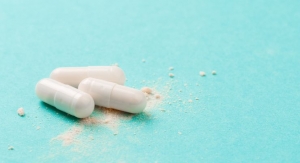
Tim Gamble, a vice president at Nutraceutix, Redmond, WA, adds that testing reveals the sensitive nature of probiotics. "Particularly when unrefrigerated, most powdered and encapsulated probiotics degrade rapidly on store shelves. Functional foods supplemented with natural probiotics generally fare even worse on the shelf. Unprotected, the vast majority of powdered and encapsulated probiotics are denatured or killed by stomach acids," he said.
"As a general rule, the lower the storage temperature, the lower the water activity of the product, which benefits stability," Dr. Leyer explained.
Most manufacturers agree that low moisture content and low temperatures are critical to keeping freeze-dried microflora in suspension. "As soon as they come into contact with the body's moist environment, they wake up," Mr. Shahani affirmed. "Retailers should keep probiotic products refrigerated and direct sellers should always ship by one- or two-day shipping."
Nutraceutix tries to remove risk factors by providing complete production from fermentation to bottle. "By alleviating extra and, perhaps, inexpert shipping, handling and processing steps, the probiotic products Nutraceutix produces under contract with its customers exhibit the highest quality possible," Mr. Gamble explained.
Dr. Ohhira's process takes another approach. "Because the organisms are fermented through all four seasons for several years, the survivors are adapted to heat," said Mr. Schoor. Dr. Ohhira's products are not freeze-dried, but are rather blister-packed active within their organic acid paste/micronutrient substrate.
"Nutraceutix's novel LiveBac processing incorporates patented technologies to deliver probiotic supplements that exhibit much better shelf-life characteristics than other forms, even at room temperature. The patented BIO-tract delivery technology, also unique to Nutraceutix, delivers significantly higher numbers of live organisms past stomach acids to optimal locations in the intestinal tract, regardless of when they are taken or what they are taken with," added Mr. Gamble.
Other technologies have also emerged to ensure probiotic delivery to the gut. "We possess a patented microencapsulation technology called Probiocap, conferring excellent survival under industrial and digestive environments-high acidity, high temperature, with close to 100% survival at 50 degrees Celsius," said Nadine Renard, product manager, Strains and Technologies, Institut Rosell-Lallemand.
"We generally recommend taking probiotics in the presence of food to help neutralize stomach acidity. However, taking probiotics on an empty stomach may accelerate emptying into the intestinal tract," Dr. Leyer explained. Most manufacturers err on the side of "with food" to manage the acidic stomach environment risk, however.
Dr. Swartzburg's Breath and Throat Biotics formulas and the BLIS K12 lozenges deliver probiotics directly to the mucus membranes of the mouth, throat and sinus cavity. "The delivery mechanism is the sucking of the lozenge. As this occurs, the probiotics are released and delivered throughout the upper digestive and respiratory tract," he said.
Probiotics in food formulation have proven more difficult to stabilize than supplements. "The best approach would be to use a room temperature stable probiotic such as Bacillus coagulans in a glaze or coating or icing on food products after they are baked or processed. In beverages and other liquid products, the best approach would be to use them in premixes reconstituted by the consumer just before consuming," Sabinsa's Dr. Prakash suggested.
Institut Rosell-Lallemand's Probiocap technology coats freeze-dried probiotics with specific fatty acids to retain their viability. "This can be used to extend shelf-life for probiotic formulations like cereals, cereal bars or chocolate," said Ms. Renard.
Yogurts, kefirs and dairy-based coatings have a distinct advantage in delivery, however. "We know that dairy may aid in the probiotic's viability as it protects probiotics from stomach acid and bile secreted during digestion," said Christopher Cifelli, PhD, director of nutrition research at the National Dairy Council (NDC). "This may enhance the bacteria's survival into the intestine."
Studies are underway to determine how specific milk components enhance probiotic survival. "NDC-funded genomic research will provide a better understanding of the positive relationship between dairy and probiotics," Dr. Cifelli offered. "As we unravel the genetic code of prebiotics, we will better understand how these organisms benefit health."
Researchers are working toward making comparisons of probiotic bacteria strains based on genetic content to help answer industry-related questions about how formulators can pick the right strains for specific purposes. "Research has shown lactose is also a preferred fuel source for certain probiotics," said Dr. Cifelli.
Formulators have been busy developing non-dairy probiotic mediums for beverages as well. NextFoods, Inc.'s Good Belly product line, for example, utilizes L. plantarum 299v cultured in an oat flour base, with a variety of fruit concentrates, malt and juices, along with B. lactis.
Researchers at Cornell University's Agricultural Experiment Station found that beet juice provided a viable substrate for L. acidophilus LA39, L. casei A4, L. delbrueckii D7 and L. plantarum C3. Pressed and sanitized beet juice increased cell growth without additional nutrients for the first 48 hours. After the first 48 hours, the beet juice cultures remained viable for several weeks at 4 degrees Celsius.
The growth in prebiotic interest is evidenced by product launches from Nestle, General Mills, Dean Foods and others. Though not well understood by consumers, prebiotic terminology is entering food vernacular quickly.
The basic premise of a prebiotic is that it must be able to pass through the upper GI (gastrointestinal) tract without hydrolyzation or absorption. It must also provide molecules from which probiotic microorganisms thrive. Several foods, such as chicory, milk, soy, onions, bananas, Jerusalem artichoke and even garlic, contain prebiotic molecules. These have been further identified as inulin and oligosaccharides, which include fructooligosaccharides (FOS) and galactooligosaccharides (GOS).
Inulin and oligofructose are probably the most recognized of the prebiotic molecules. Both are naturally occurring carbohydrates used by plants for storage. It has been estimated that more than 36,000 plant species contain inulin in varying degrees. Chicory, the root of the Belgian endive, is known to contain some of the highest levels of both inulin, at 15-20%, and oligofructose, at 5-10%. "Numerous studies have linked inulin and oligofructose to improved digestive health, function and immunity," said Joseph O'Neill, MSc, of BENEO-Orafti, Inc., Morris Plains, NJ, which manufactures a proprietary oligofructose-enriched inulin called BENEO Synergy1.
But chicory is not the only plant commercial inulin is derived from. Hans Friese, CEO of Hudson, WI-based Ciranda, Inc.-a leading supplier of organic inulin derived from agave-states that the agave pinion contains about 22% inulin. "Inulin from agave is highly branched, and has a higher solubility than inulin from chicory or Jerusalem artichoke," Mr. Friese explained.
Prebiotics have interesting side benefits as well. Mr. O'Neill discussed the relationship between oligofructose-enriched inulin and calcium absorption for bone health. "Oligofructose-enriched inulin can improve calcium absorption by 20%, increasing bone mineral density," he said. Inulin and oligofructose have also been shown to reduce key biomarkers of colon cancer risk.
The blending of prebiotics and probiotics, often referred to as synbiotics, is an increasingly relevant strategy for probiotic use. Dehydrated FOS, inulin and combinations thereof have been popularized with numerous successful probiotic supplement and food formulation launches.
Fermbiotics, on the other hand, would describe the process of stimulating the body's resident probiotic strains with fermented substrate. "Slow fermentation of bacteria produces micronutrients and organic acids that will stimulate the growth of the body's own probiotic residents when added to the intestinal tract," said Essential Formulas' Mr. Schoor.
The vastness of the body's biotic composition creates a renewed vision of the human anatomy. A thriving population of more than three trillion organisms obviates the conclusion that our bodies have 10 times more bacteria than cells. This resounding fact has led to the concept of the microbiome-an "extended genome" of microorganism traits and DNA that likely better identify our traits and histories than cellular DNA.
Certainly, the bacterial colonies lining just about every mucosal membrane and tissue system predict many future disease models. This conclusion is drawn from our creeping awareness that a predominance of disease pathologies is directly related to bacterial or fungal imbalances among our living populations.
More recent discovery has alluded to the fact that our lymphatic system may actually host genetic libraries and incubation chambers for our body's useful microorganisms-providing an opportunity to re-plant resident bacteria decimated by environmental, pharmaceutical and psychological stressors. In late 2007, Duke University Medical Center researchers unveiled evidence indicating that the appendix may actually be a "safe house" or library of probiotic bacteria. This research indicated the appendix incubates and inoculates the intestines with specific bacteria in response to pathogens.
"Understanding how humans interact with their microbial partners may be as important or more important to understanding human health than mapping and understanding the human genome," said Margaret McFall Ngai, PhD, professor of medical microbiology and immunology at the University of Wisconsin's School of Medicine.
References furnished upon request.
Today the world is in the midst of a probiotic boom, with a burgeoning marketplace launching hundreds of new products annually. In the U.S., probiotic food and supplement sales are approaching $1 billion, while in Europe sales are approaching €7 billion, according to Julian Mellentin, editor of U.K.-based New Nutrition Business. Further, Frost & Sullivan has predicted that the U.S. probiotic market will grow to $1.7 billion by 2013.
At the same time, science continues to unravel the complex mechanisms and many benefits derived from the more than 500 species of probiotic microorganisms that inhabit our bodies from head to toe, with populations concentrated in our intestinal tracts, where some estimate 70% of the immune system lies.
The 50-year "experiment" with prescription and animal antibiotics is showing signs of failure because pathogens have devised "superbug" facilities to outmaneuver these static remedies. Today, probiotic research is ushering in a new era that will re-enlist the antibiotic tools of living organisms to combat disease. By isolating and studying nature's tiny jungle warriors, medicine is learning how to wield the "super" weapons drawn by friendly microorganisms.
Probiotic Mechanisms
Probiotic mechanisms are complex and varied, and the challenges of harnessing the potential of probiotics are many. As S.K. Dash, PhD, former South Dakota head of FDA, and now president of probiotic producer UAS Labs, Minneapolis, MN, puts it, "probiotic mechanisms are strain specific, condition specific and dose specific."
Khem Shahani, PhD, a leader in probiotic research for more than four decades, concluded that even the same strains grown in different environments produced different effects. "Conflicting results may very well be due to the different strains used, different manufacturing or propagation methods employed, and, of course, the different techniques used by scientists," wrote Dr. Shahani.
Probiotics are living organisms. As such, they create territorial strategies to protect their turf and their host. Dr. Mechnikov hypothesized that the beneficial effects of lactobacilli arise from the lactic acid they excrete. Indeed, the lactic acid produced by both Lactobacillus and Bifidobacterium species sets up the ultimate pH control in the gut to repel antagonistic organisms.
In addition to lactic acid, many probiotic strains also produce hydrogen peroxide as lactoperoxidase. They are also capable of producing acetic acids, lipopolysaccharides, peptidoglycans, superantigens, heat shock proteins and bacterial DNA-all in precise proportion to nourish each other, inhibit challengers and/or benefit the host. Precision is the key. For example, some bifidobacteria secrete a 3:2 acetic acid to lactic acid ratio as a lethal barricade against invading bacteria.
Probiotics also have the ability to secrete several key nutrients crucial to the body's metabolism, including the B vitamins pantothenic acid, pyridoxine, niacin, folic acid, cobalamin and biotin, in addition to vitamin K.
Probiotics also produce antibacterial molecules called bacteriocins. For example, Lactobacillus plantarum produces lactolin; Lactobacillus bulgaricus secretes bulgarican; and Lactobacillus acidophilus produces aciophilin, acidolin, bacterlocin and lactocidin. These and other substances equip probiotic strains with the mechanisms to combat and reduce pathologies related to Shigella, Coliform, Pseudomonas, Klebsiella, Staphylococcus, Clostridium, Escherichia and other infections. Furthermore, antifungal biochemicals from the likes of L. acidophilus, B. bifidum and E. faecium and others also significantly reduce fungal outbreaks caused by Candida albicans.
These types of antimicrobial tools also give probiotics the ability to counter the mighty H. pylori bacterium, which is known to be at the root of a majority of ulcers. In fact, H. pylori inhibition has been observed in studies on L. acidophilus DDS-1, L. rhamnosus GG, L. rhamnosus Lc705, Propionibacterium freudenreichii and Bifidobacterium breve Bb99.
Probiotic mechanisms also are increasingly being linked to inflammatory and allergic responses due to the role they play in maintaining the epithelial barrier function in the intestinal tract. Probiotic imbalances have been connected to increased intestinal permeability-often referred to as "leaky gut syndrome." Without an adequate barrier and the proper hydrolyzing of food molecules, larger food molecules, yeasts and even bacteria are thought to be able to enter the bloodstream, thus triggering inflammatory responses such as asthma and rheumatoid arthritis.
Illustrating this inflammation connection, both Lactobacillus rhamnosus GG and Bifidobacterium lactis Bb-12 treatments significantly reduced the incidence of atopic eczema in one study of 15 infants. Intestinal mucosa expert and Finish professor Arthur Ouwehand, PhD, postulated that this likely relates to the improvement of the mucosal intestinal barrier rendered through probiotic use.
There is some evidence that probiotics may have cardiovascular benefits as well. Thirty-three healthy women were given either probiotic-supplemented yogurt or non-supplemented yogurt in a Polish randomized, double-blind trial in 2007. Those given the probiotic yogurt had significantly lower LDL cholesterol and greater HDL levels than those given the regular yogurt. In another study, Lactobacillus plantarum 299v significantly decreased systolic blood pressure, fibrinogen and LDL cholesterol levels in 36 men and women smokers after six weeks. While the mechanisms have not been confirmed, it has been hypothesized that orotic acid produced during lactic acid fermentation may inhibit cholesterol production in the liver. The Polish study also found that monocyte adhesion among artery cell walls significantly increased among the probiotic group.
Probiotics also appear to encourage the absorption and binding of calcium, minerals and other bone composition factors. The mechanisms of these benefits are thought to be related to increased mineral solubility, osteocalcin formation through vitamin K production, and the presence of short-chain fatty acids, which are all prominent byproducts of probiotic feeding. Calcium-binding proteins and phytic acid degradation also appear to assist in the creation of greater bone mass.
Probiotics also have the ability to reduce procarcinogens and even suppress tumor genesis. This has been shown in several in vivo studies with L. bulgaricus, L. reuteri, L. casei Shirota and Bifidobacterium infantis. In the L. reuteri research probiotic biofilms were created, which modulated cytokine and TNF production. In the B. infantis research, separated bacterial cell wall material also maintained anti-tumor suppression.
Research has also shown that probiotics play a critical role in the mouth and throat. Rick Swartzburg, DC, has spent the last five years researching probiotic colonization within the oral cavity of the upper respiratory system to combat throat infections. His research led him to incorporate three strains-L. reuteri, L. salivarius and L. plantarum-into a probiotic zinc lozenge called Throat-Biotics. In his work, Dr. Swartzburg found that only particular probiotic strains of these species were effective. "Some strains of the same genus and species were too aggressive and actually created negative results," he said.
The potential effects of particular L. reuteri strains on oral health, and on salivary mutans streptococci in particular-one of the main culprits in gingivitis-is significant. In one randomized, placebo-controlled study of 80 young adult volunteers, those given a chewing gum with two strains of L. reuteri had significantly less streptococci after chewing three times daily after meals. In another study of 59 gingivitis patients performed at Malmo University in Sweden, significantly less plaque, gingivitis and gum bleeding was reported among those taking L. reuteri strains for 14 days.
According to Professor Svante Twetman from University of Copenhagen's Department of Cariology and Endodontics, probiotics like L. reuteri seem to interact with the immune system to down-regulate inflammation triggers. In professor Twetman's Denmark study, inflammatory mediators TNF-alpha and IL-8 were significantly reduced in the probiotic group.
This oral anti-inflammatory effect was also demonstrated in 2008 research on the probiotic activity of Streptococcus salivarius K12 by scientists at the University of British Columbia in Vancouver, Canada. Here the S. Salivarius K12 strain-exclusively licensed by Frutarom as BLIS K12 from BLIS Technologies Ltd.-exhibits a pronounced anti-inflammatory effect by inhibiting pathways such as NF-kappaB. BLIS K12 also apparently produces antibacterial peptides specific to the oral cavity and upper respiratory region. The study suggested that BLIS K12 may also switch on the genes in epithelial tissue responsible for cellular repair following pathogen damage. Preliminary findings from a recent study from the University of Otago in New Zealand indicate that BLIS K12 may also spread its anti-inflammatory effects beyond the oral cavity into the upper respiratory tract.
Hardy Strains
The American Type Culture Collection in Manassas Virginia and the Collection Nationale de Cultures de Microorganismes at the Institut Pasteur in France are crammed with hundreds of registered probiotic strains, many with accompanying clinical research showing benefits to humans. A lot of these belong to the mostly anaerobic Lactobacillus genus, which includes strains of L. acidophilus, L. salivarius, L. casei, L. rhamnosus, L. reuteri, L. plantarum, L. bulgaricus and L. brevis. Although lactobacilli are considered hardy, aggressive and combative toward invaders, they only comprise about 1% of the body's total probiotic populations.
The Bifidobacterium genus makes up the large majority of the human body's resident strains. It thus makes sense that strains of B. bifidum, B. infantis, B. longum, B. lactis, B. breve and many others have been found to have the most therapeutic probiotic activity. While Lactobacilli predominate in the small intestine, Bifidobacterium control and supervise the colon.
Other genera on the probiotic all-star list include Streptococcus thermophilus, Bacillus coagulans and Enterococcus faecium, among others. Beneficial probiotic yeasts include Saccharomyces boulardii and Saccharomyces cerevisiae, which are both important to many fermented foods.
"Our body's native bacteria are established during infancy through weaning," explained Mary Ellen Sanders, PhD, of probiotic consultancy Dairy & Food Culture Technologies, Centennial, CO. "Additional probiotic supplementation has not been shown to result in long-term implantation. There is some evidence that bacterial shifts may occur during old age, but for the most part, our colonizing microbes-even if disrupted by antibiotics or other stressors-appear to rebound back to our unique bacterial composition."
Dr. Shahani, a professor at the University of Nebraska, led research teams to isolate a variety of probiotic strains. Among these strains, DDS-1 (which stands for "Department of Dairy Sciences") L. acidophilus proved to be the most resilient. Dr. Shahani's research showed DDS-1 had better survival rates in response to environmental variation, proved resistant to several antibiotics (such as penicillin, aureomycin and streptomycin), and could survive stomach acidity and bile salts. "Because DDS-1 was isolated from a human source, it is exceedingly well accepted by the human body," according to Dr. Shahani.
Robert Unal, PhD, science manager, Yakult USA, Torrance, CA, shared the strain-specific benefits of Yakult's proprietary L. casei Shirota strain. "In 1930, Dr. Minoru Shirota successfully cultured and selected L. casei Shirota because of its ability to reach the intestines alive. L. casei Shirota is resistant to gastric juice and bile acids, enabling it to establish itself in the intestinal tract," said Dr. Unal.
Lakshmi Prakash, PhD, vice president, Innovation & BusinessDevelopment, Sabinsa, Piscataway, NJ, discussed her company's Lactospore Bacillus coagulans ATCC 7050, formerly referred to as Lactobacillus sporogenes in the scientific literature. L. Sporongenes was described initially in 1932 by L.M. Horowitz-Wlassowa and N.W. Nowotelnow. Professor O. Nakayama of Japan's Yamanashi University isolated it growing on green malt in 1949. It was later re-classed to the spore-forming genus Bacillus. "Bacillus coagulans is room temperature stable, stable in processing conditions, delivered in spore form to the gut where it activates and becomes semi-resident, and the strain has a long history of food use in Japan within soy fermented foods," Dr. Prakash explained.
In a safety study on another B. coagulans strain, GBI-30, 6086-also referred to as GanedenBC30-it was found to be safe for human consumption when taken in large quantities. "We saw safety factors ranging up to 95,000 times the typical dose. These types of numbers are unprecedented in toxicology studies of this type," said Dr. John Endres, one of the study's authors and chief scientific officer of AIBMR Life Sciences.
A vigorous strain of Bifidobacterium, B. infantis 35624, has been the focus of several studies in recent years led by Liam O'Mahony, PhD, of Ireland's Alimentary Health. "B. infantis 35624 is a commensal bacterium isolated from healthy human gastrointestinal tissue and selected from a large bank of similar isolates due to its ability to induce regulation of pro-inflammatory or damaging immune responses. The ability to improve immune regulation in vivo has been associated with its efficacy in randomized, double-blind, placebo controlled studies," said Dr. O'Mahony. This microorganism is the cornerstone of Proctor & Gambles' branded entry Align, a watermark for the probiotic industry.
Iichiroh Ohhira, PhD, a professor and researcher from Okayama University isolated the vigorous, non-resident probiotic Enterococcus faecalis TH10 strain of lactic acid bacteria after years of investigating tempeh-like fermentation processes. According to Michael Schoor, president of Essential Formulas, Inc., Irving, TX, which distributes Dr. Ohhira's Probiotics 12 PLUS brand, the E. faecalis TH10 strain stays in the gut for about 11 days, giving it time to attack pathogens and aid friendly flora growth. A study published in the 1990 Japanese Journal of Dairy and Food Science showed that E. faecalis TH10 had about 6.25 times more proteolytic activity compared to 46 typical lactic acid bacteria strains.
Lactobacillus plantarum 299v, another hardy strain, was isolated in 1991 and subsequently patented by a group of Swedish scientists led by Göran Molin, PhD. The scientists eventually formed Probi AB in Sweden, which now licenses the strain to several manufacturers in Europe and the U.S. "The patented Lv299 strain efficiently ferments most plant material. It is a vigorous bacterium originally isolated from the human GI mucosa that has shown clinical effectiveness for irritable bowel syndrome and decreasing systemic-low grade inflammation. It improves the condition of the gut mucosa by increasing barrier function and decreasing inflammation," said professor Molin.
Danisco's Gregory Leyer, PhD, discussed his company's unique approach to probiotic strain selection: "In our initial screening we select for strains possessing strong acid and bile tolerance. This maximizes probiotic viability during gastric passage," he said. "In secondary screening Danisco engages a condition-specific strategy in which we employ in vitro and in vivo testing to select a single or multiple strain formulation best suited to deliver a specific health benefit in human clinical research." Danisco's line-up includes probiotic formulations targeted at respiratory health, intestinal microflora restoration, immunity, skin health and other conditions.
The use of Lactobacillus acidophilus NCFM for pain mediation illustrates Danisco's condition-specific approach to strain selection. So far, in vivo screening has demonstrated the ability of NCFM to induce the expression of opioid and cannabinoid receptors lying within intestinal cells. The expression of these cells resulted in pain reduction similar to that obtained with morphine. As a result of this initial screening, Danisco has decided to proceed with human trials to determine the effectiveness of NCFM in reducing pain associated with various health conditions.
Thomas Tompkins, PhD, biochemistry and research director for Institut Rosell-Lallemand, Montreal, Quebec, Canada, points out that following strain selection, combined strain formulas are tested for efficacy on targeted conditions. Rosell's combination of Lactobacillus Rosell-52 and Bifidobacterium Rosell-175, for example, was tested for three weeks on patients with stress-induced gastrointestinal symptoms. The combination significantly reduced abdominal pain and nausea/vomiting compared to placebo.
Numerous studies have illustrated the therapeutic application of probiotics as strain-specific and combination-specific. In the University of Helsinki research mentioned previously, H. pylori adhesion was inhibited by L. rhamnosus GG, L. rhamnosus Lc705, P. freudenreichii and B. breve Bb99, resulting in inflammatory response reduction. While all inhibited H. pylori separately and in combination application, the same inflammatory reductions of single therapy were not achieved in combination therapy.
Dr. Swartzburg uses a strain-specific combination of L. reuteri, L. plantarum, L. rhamnosus and L. acidophilus for his patent-pending probiotic breath freshening mint called Breath-Biotics. "Rather than attempt to remove the pathogens, we decided to simply re-balance the populations by adding specialized probiotic colonies," he said.
Dose and Delivery Systems
Dosages for probiotics also vary according to the strain, combination and condition. Clinical evidence has illustrated that the dosage has to be high enough to create a suitable environment. "Dr. Shahani recommended somewhere around 10 billion CFU [colony forming units] per day as a maintenance dose, and two to three times that as a therapeutic dose to re-establish probiotic bacteria in the intestines after illness or antibiotic therapy," said Michael Shahani, CEO of Nebraska Cultures, Inc., a leading probiotic producer. "A dose of less than one billion CFU is probably ineffectual."
Danisco's Dr. Leyer believes dosage recommendations should be based on clinical studies. The Howaru line recommended dosages range from 5 billion CFU/day to 40 billion CFU/day for the "Restore" combination.
Dr. Ohhira's recommended dosages for its consumer probiotic product are much lower, ranging from 750 million to 1.5 billion CFU per day. Essential Formulas' Mr. Schoor explains that Dr. Ohhira's view is that microflora growth is largely dependent upon the presence of an organic acid environment in the gut. As a result, Dr. Ohhira's products contain probiotics in a paste of organic acids and micronutrients produced during fermentation. "Dr. Ohhira's probiotic fermentation system is unique. For the first 18 months of initial fermentation, multiple probiotic strains are added followed by another 18 months of probiotic incubation. This long fermentation and incubation process creates resilient strains as the weaker strains are replaced by strains that are more tolerant," said Mr. Schoor.
This technology and delivery system differs from the industry standard of freeze-dried probiotics. Following fermentation, most producers centrifuge the microorganism soup to separate the probiotics, followed by freeze-drying with proprietary stability compounds and antioxidants to preserve future motility. "This puts the probiotics into suspension or sleep mode, so to speak," said Mr. Shahani.
In this freeze-dried state, it is now up to the producer, the packaging and the storage environment to maintain this state of suspension. Past studies have shown that because of poor handling and strain selection, labeled quantities of microflora contents have differed from actual counts. Dr. Shahani documented one University of Nebraska study of 200 acidophilus strains, which showed nearly 50% of samples had less than 10% of labeled probiotic counts.
Tim Gamble, a vice president at Nutraceutix, Redmond, WA, adds that testing reveals the sensitive nature of probiotics. "Particularly when unrefrigerated, most powdered and encapsulated probiotics degrade rapidly on store shelves. Functional foods supplemented with natural probiotics generally fare even worse on the shelf. Unprotected, the vast majority of powdered and encapsulated probiotics are denatured or killed by stomach acids," he said.
"As a general rule, the lower the storage temperature, the lower the water activity of the product, which benefits stability," Dr. Leyer explained.
Most manufacturers agree that low moisture content and low temperatures are critical to keeping freeze-dried microflora in suspension. "As soon as they come into contact with the body's moist environment, they wake up," Mr. Shahani affirmed. "Retailers should keep probiotic products refrigerated and direct sellers should always ship by one- or two-day shipping."
Nutraceutix tries to remove risk factors by providing complete production from fermentation to bottle. "By alleviating extra and, perhaps, inexpert shipping, handling and processing steps, the probiotic products Nutraceutix produces under contract with its customers exhibit the highest quality possible," Mr. Gamble explained.
Dr. Ohhira's process takes another approach. "Because the organisms are fermented through all four seasons for several years, the survivors are adapted to heat," said Mr. Schoor. Dr. Ohhira's products are not freeze-dried, but are rather blister-packed active within their organic acid paste/micronutrient substrate.
"Nutraceutix's novel LiveBac processing incorporates patented technologies to deliver probiotic supplements that exhibit much better shelf-life characteristics than other forms, even at room temperature. The patented BIO-tract delivery technology, also unique to Nutraceutix, delivers significantly higher numbers of live organisms past stomach acids to optimal locations in the intestinal tract, regardless of when they are taken or what they are taken with," added Mr. Gamble.
Other technologies have also emerged to ensure probiotic delivery to the gut. "We possess a patented microencapsulation technology called Probiocap, conferring excellent survival under industrial and digestive environments-high acidity, high temperature, with close to 100% survival at 50 degrees Celsius," said Nadine Renard, product manager, Strains and Technologies, Institut Rosell-Lallemand.
"We generally recommend taking probiotics in the presence of food to help neutralize stomach acidity. However, taking probiotics on an empty stomach may accelerate emptying into the intestinal tract," Dr. Leyer explained. Most manufacturers err on the side of "with food" to manage the acidic stomach environment risk, however.
Dr. Swartzburg's Breath and Throat Biotics formulas and the BLIS K12 lozenges deliver probiotics directly to the mucus membranes of the mouth, throat and sinus cavity. "The delivery mechanism is the sucking of the lozenge. As this occurs, the probiotics are released and delivered throughout the upper digestive and respiratory tract," he said.
Probiotics in food formulation have proven more difficult to stabilize than supplements. "The best approach would be to use a room temperature stable probiotic such as Bacillus coagulans in a glaze or coating or icing on food products after they are baked or processed. In beverages and other liquid products, the best approach would be to use them in premixes reconstituted by the consumer just before consuming," Sabinsa's Dr. Prakash suggested.
Institut Rosell-Lallemand's Probiocap technology coats freeze-dried probiotics with specific fatty acids to retain their viability. "This can be used to extend shelf-life for probiotic formulations like cereals, cereal bars or chocolate," said Ms. Renard.
Yogurts, kefirs and dairy-based coatings have a distinct advantage in delivery, however. "We know that dairy may aid in the probiotic's viability as it protects probiotics from stomach acid and bile secreted during digestion," said Christopher Cifelli, PhD, director of nutrition research at the National Dairy Council (NDC). "This may enhance the bacteria's survival into the intestine."
Studies are underway to determine how specific milk components enhance probiotic survival. "NDC-funded genomic research will provide a better understanding of the positive relationship between dairy and probiotics," Dr. Cifelli offered. "As we unravel the genetic code of prebiotics, we will better understand how these organisms benefit health."
Researchers are working toward making comparisons of probiotic bacteria strains based on genetic content to help answer industry-related questions about how formulators can pick the right strains for specific purposes. "Research has shown lactose is also a preferred fuel source for certain probiotics," said Dr. Cifelli.
Formulators have been busy developing non-dairy probiotic mediums for beverages as well. NextFoods, Inc.'s Good Belly product line, for example, utilizes L. plantarum 299v cultured in an oat flour base, with a variety of fruit concentrates, malt and juices, along with B. lactis.
Researchers at Cornell University's Agricultural Experiment Station found that beet juice provided a viable substrate for L. acidophilus LA39, L. casei A4, L. delbrueckii D7 and L. plantarum C3. Pressed and sanitized beet juice increased cell growth without additional nutrients for the first 48 hours. After the first 48 hours, the beet juice cultures remained viable for several weeks at 4 degrees Celsius.
Prebiotics, Synbiotics and Fermbiotics
The growth in prebiotic interest is evidenced by product launches from Nestle, General Mills, Dean Foods and others. Though not well understood by consumers, prebiotic terminology is entering food vernacular quickly.
The basic premise of a prebiotic is that it must be able to pass through the upper GI (gastrointestinal) tract without hydrolyzation or absorption. It must also provide molecules from which probiotic microorganisms thrive. Several foods, such as chicory, milk, soy, onions, bananas, Jerusalem artichoke and even garlic, contain prebiotic molecules. These have been further identified as inulin and oligosaccharides, which include fructooligosaccharides (FOS) and galactooligosaccharides (GOS).
Inulin and oligofructose are probably the most recognized of the prebiotic molecules. Both are naturally occurring carbohydrates used by plants for storage. It has been estimated that more than 36,000 plant species contain inulin in varying degrees. Chicory, the root of the Belgian endive, is known to contain some of the highest levels of both inulin, at 15-20%, and oligofructose, at 5-10%. "Numerous studies have linked inulin and oligofructose to improved digestive health, function and immunity," said Joseph O'Neill, MSc, of BENEO-Orafti, Inc., Morris Plains, NJ, which manufactures a proprietary oligofructose-enriched inulin called BENEO Synergy1.
But chicory is not the only plant commercial inulin is derived from. Hans Friese, CEO of Hudson, WI-based Ciranda, Inc.-a leading supplier of organic inulin derived from agave-states that the agave pinion contains about 22% inulin. "Inulin from agave is highly branched, and has a higher solubility than inulin from chicory or Jerusalem artichoke," Mr. Friese explained.
Prebiotics have interesting side benefits as well. Mr. O'Neill discussed the relationship between oligofructose-enriched inulin and calcium absorption for bone health. "Oligofructose-enriched inulin can improve calcium absorption by 20%, increasing bone mineral density," he said. Inulin and oligofructose have also been shown to reduce key biomarkers of colon cancer risk.
The blending of prebiotics and probiotics, often referred to as synbiotics, is an increasingly relevant strategy for probiotic use. Dehydrated FOS, inulin and combinations thereof have been popularized with numerous successful probiotic supplement and food formulation launches.
Fermbiotics, on the other hand, would describe the process of stimulating the body's resident probiotic strains with fermented substrate. "Slow fermentation of bacteria produces micronutrients and organic acids that will stimulate the growth of the body's own probiotic residents when added to the intestinal tract," said Essential Formulas' Mr. Schoor.
The Human Biotic Library
The vastness of the body's biotic composition creates a renewed vision of the human anatomy. A thriving population of more than three trillion organisms obviates the conclusion that our bodies have 10 times more bacteria than cells. This resounding fact has led to the concept of the microbiome-an "extended genome" of microorganism traits and DNA that likely better identify our traits and histories than cellular DNA.
Certainly, the bacterial colonies lining just about every mucosal membrane and tissue system predict many future disease models. This conclusion is drawn from our creeping awareness that a predominance of disease pathologies is directly related to bacterial or fungal imbalances among our living populations.
More recent discovery has alluded to the fact that our lymphatic system may actually host genetic libraries and incubation chambers for our body's useful microorganisms-providing an opportunity to re-plant resident bacteria decimated by environmental, pharmaceutical and psychological stressors. In late 2007, Duke University Medical Center researchers unveiled evidence indicating that the appendix may actually be a "safe house" or library of probiotic bacteria. This research indicated the appendix incubates and inoculates the intestines with specific bacteria in response to pathogens.
"Understanding how humans interact with their microbial partners may be as important or more important to understanding human health than mapping and understanding the human genome," said Margaret McFall Ngai, PhD, professor of medical microbiology and immunology at the University of Wisconsin's School of Medicine.
References furnished upon request.