By Mikkel Thrane, PhD, Global Sustainability Leader, DuPont Nutrition & Health 01.03.19
The world’s population is increasing rapidly. All people need to eat and there is no denying that protein supplies an essential part of a healthy daily diet. However, protein sources can exert an enormous impact on the environment and the world. Scientists around the globe are investigating plant-based alternatives to animal proteins. These alternatives can play a vital role not only in supplying essential nutrients but also doing it in a more environmentally friendly, sustainable way compared to animal proteins.
By the Numbers
While the current global population stands at 7.7 billion, some predictions estimate the number will grow to 9.8 billion by the year 2050. Correspondingly, food production needs to increase. This population growth means higher demand for animal protein; in fact, demand for animal protein might double. While animal proteins supply a full complement of essential amino acids required for human health, they also leave behind a huge environmental footprint. Some concerns, specifically related to increased animal protein, include the required amount of land, water, and feed necessary for its production, as well as emissions of greenhouse gases and potential issues with animal welfare.
The issues with animal-based protein extend beyond the land into the oceans. Researchers at the University of Western Australia and the University of British Columbia, who analyze global fishing trends, found that industrial fishing fleets have dramatically expanded their fishing areas, traveling double the distance to fishing grounds compared to 1950, yet catch rates are a third of what they were 65 years ago per kilometer traveled (Science Advances, 2018).
Plant proteins are certain to play a key role in meeting the protein needs of future generations and the growing population. The need for plant protein alternatives is critical and matching plant sources in the right combination can achieve adequate essential amino acid profiles. Currently, major industrial protein ingredients from plant sources include soy, wheat, rice, corn, peas, canola, and potato. Plant protein utilization can reduce demand for animal protein sources, thereby reducing environmental impact.
One study conducted in 2014 that compared the environmental cost of two plant-based proteins—one from beans and the other from almonds—to the cost of three animal-based proteins found that to produce 1 kg of protein from beans required “approximately 18 times less land, 10 times less water, nine times less fuel, 12 times less fertilizer, and 10 times less pesticide in comparison to producing 1 kg of protein from beef.” Beef also generated five to six times more waste compared to the other animal proteins, namely chickens and eggs (Public Health Nutrition, 2014).
Truly Farm to Fork
It’s one thing to talk about the environmental impact of growing a particular crop compared to animal husbandry in terms of land and water usage, but what happens when the production processes begin to turn those plant-based proteins into meat analogues?
One study presented at the 2016 annual meeting of the American Society for Nutrition found the manufacture of “imitation meats,” such as veggie burgers, meatless bacon, and imitation chicken nuggets, for example, produces approximately 10 times fewer greenhouse gas emissions (GHG) than comparable beef-based products. The study started with established data on the environmental impacts of farming wheat and soy, then followed processing from the field to grocery-ready factory output. It compared the manufacture of 39 different meat substitute products to their animal-based counterparts. The study concluded, “Across the board, meatless alternatives (vegetarian meat substitutes) are associated with substantially lower emissions than actual meat,” (FASEB, 2016).
In terms of sustainability however, even a substitution of 50% animal-based protein with a plant-based protein can have a significant impact, as life cycle assessments reveal.
Strategic Life Cycle Assessments
A life cycle assessment (LCA) is a systematic, detailed analysis of the environmental impact of a product or process from inception to completion. Here’s an example of how plant protein can impact sustainability. DuPont Nutrition & Health completed an ISO 14044 compliant LCA on its soy protein isolate. The study was conducted by a consultant and was subsequently third-party reviewed by leading scientists within the field. This life cycle assessment helped quantify the environmental impact of substituting traditional dairy or animal protein containing products with similar products made with DuPont soy protein isolate. The results demonstrated the potential of a plant-based protein ingredient in reducing a product or food manufacturer’s environmental footprint.
Overall, the life cycle assessment of DuPont soy protein isolate offered a range of statistics related to its environmental impact, such as carbon footprint, land, energy, and water use. The carbon footprint of soy protein isolates for example, is seven to 70 times lower than analyzed animal or dairy proteins, such as whey, chicken, milk, pork, caseinate, and beef.
The liters of blue water use per kg of protein is significantly lower for soy protein isolates than most animal-based proteins at 38 liters per kg of soy protein compared to more than 1,600 liters for pork or beef. When compared to other meat and dairy proteins, soy protein isolate has the smallest land use footprint. One of the explanations is that soybean is a high-yield crop that uses limited nitrogen fertilizer and irrigation water (Sustainable Protein Sources, 2017). In terms of yield, while one acre of farmland produces 20 pounds of beef, 78 pounds of egg protein, or 82 pounds of milk protein, 356 pounds of soy protein can be produced per acre of farmland.
Soy protein’s high yield translates into two other qualities vitally important when tasked with feeding a growing population in need of high-quality nutrition: the abundance needed to create a wide variety of food products; and affordability to create products within the reach of the vast majority of consumers.
For example, creating a burger with a 50/50 split of animal and plant-based protein could cut costs and benefit the environment at the same time. Based on the LCA findings, it is estimated that a 50% replacement of beef protein with soy protein in all beef burgers in the U.S. could reduce total GHG emissions by 79 million tons CO2e annually. This would be the equivalent of removing 17 million average U.S. cars from roads.
Accept No Substitutes? Not Anymore
Fortunately, alongside population growth comes increasing consumer acceptance of plant-based meat alternatives. A proprietary study by DuPont of more than 5,000 consumers across 11 countries revealed that 35% of consumers who are trying to increase protein intake say they are consuming more plant proteins.
A 2017 study from HealthFocus International assessed the reasons why consumers are choosing more plant-based foods and beverages and found the primary motivators to be social issues, like sustainability and environmental impact; short-term health benefits, like increased energy or digestive benefits; and lastly, the belief that plant-based foods delivered long-term health benefits, such as heart health.
In 2015, Nielsen polled 30,000 consumers from 60 countries around the world. Sustainability was the number one factor that could prompt them to spend more on foods, goods, and services. When examined according to generation, millennials lead all the rest. Up to 73% of millennials in this survey said they would be willing to spend more for sustainable goods. In that same study, 58% of millennials said they preferred to buy products made by a “company known for being environmentally friendly.”
The Original Plant Protein
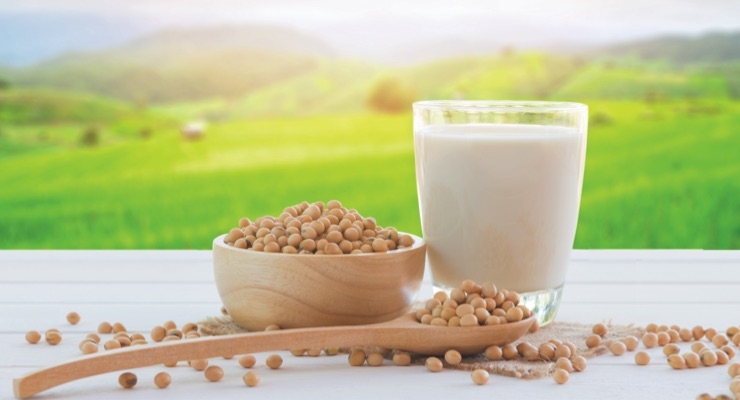
In terms of alternative proteins, some offer a deeper knowledge base to draw from than others. For instance, soy is a decades-long mainstay in the meat alternative category. The technology supporting soy protein’s use in meat alternatives is the most developed of any plant source, offering options that deliver real meat-like texture and can be easily flavored to taste like meat. Soy protein ingredients can be used to mimic a variety of formats, such as ground, whole muscle or shredded meats, and a variety of species, such as chicken, beef, or pork. Nutritionally, soy protein is also unique among plant proteins. Soy protein is the only commercially viable plant source that is also a high-quality protein, comparable in protein quality to meat, dairy, or egg proteins.
Soy protein can be used alone or in combination with other plant proteins in meat alternative formulations. Market interest in plant proteins has given rise to the growing popularity of a variety of plant proteins, from oat, pea, potato, lentils, and other sources. In meat alternatives, soy and wheat proteins have been the most commonly used plant sources, and among the most functional. Combining soy with some of the more novel plant sources may help manufacturers achieve desired meat-like eating quality while gaining
the added differentiation that novel sources provide.
Soy proteins could be among the most environmentally friendly, sustainable, and most concentrated protein yields per acre among plant-based proteins and an answer to creating nutritious products to feed a burgeoning global population.
Mikkel Thrane has a PhD in Life Cycle Assessment (LCA) of seafood products and a Master of Science degree in Environmental Management. He began his career as associate professor at Aalborg University in Denmark. At DuPont Nutrition & Health, his focus is on the company’s sustainability strategy, setting ambitious and measurable targets for sustainable-sourcing, -manufacturing and -solutions, and driving execution involving all key functions and business units in the company.
By the Numbers
While the current global population stands at 7.7 billion, some predictions estimate the number will grow to 9.8 billion by the year 2050. Correspondingly, food production needs to increase. This population growth means higher demand for animal protein; in fact, demand for animal protein might double. While animal proteins supply a full complement of essential amino acids required for human health, they also leave behind a huge environmental footprint. Some concerns, specifically related to increased animal protein, include the required amount of land, water, and feed necessary for its production, as well as emissions of greenhouse gases and potential issues with animal welfare.
The issues with animal-based protein extend beyond the land into the oceans. Researchers at the University of Western Australia and the University of British Columbia, who analyze global fishing trends, found that industrial fishing fleets have dramatically expanded their fishing areas, traveling double the distance to fishing grounds compared to 1950, yet catch rates are a third of what they were 65 years ago per kilometer traveled (Science Advances, 2018).
Plant proteins are certain to play a key role in meeting the protein needs of future generations and the growing population. The need for plant protein alternatives is critical and matching plant sources in the right combination can achieve adequate essential amino acid profiles. Currently, major industrial protein ingredients from plant sources include soy, wheat, rice, corn, peas, canola, and potato. Plant protein utilization can reduce demand for animal protein sources, thereby reducing environmental impact.
One study conducted in 2014 that compared the environmental cost of two plant-based proteins—one from beans and the other from almonds—to the cost of three animal-based proteins found that to produce 1 kg of protein from beans required “approximately 18 times less land, 10 times less water, nine times less fuel, 12 times less fertilizer, and 10 times less pesticide in comparison to producing 1 kg of protein from beef.” Beef also generated five to six times more waste compared to the other animal proteins, namely chickens and eggs (Public Health Nutrition, 2014).
Truly Farm to Fork
It’s one thing to talk about the environmental impact of growing a particular crop compared to animal husbandry in terms of land and water usage, but what happens when the production processes begin to turn those plant-based proteins into meat analogues?
One study presented at the 2016 annual meeting of the American Society for Nutrition found the manufacture of “imitation meats,” such as veggie burgers, meatless bacon, and imitation chicken nuggets, for example, produces approximately 10 times fewer greenhouse gas emissions (GHG) than comparable beef-based products. The study started with established data on the environmental impacts of farming wheat and soy, then followed processing from the field to grocery-ready factory output. It compared the manufacture of 39 different meat substitute products to their animal-based counterparts. The study concluded, “Across the board, meatless alternatives (vegetarian meat substitutes) are associated with substantially lower emissions than actual meat,” (FASEB, 2016).
In terms of sustainability however, even a substitution of 50% animal-based protein with a plant-based protein can have a significant impact, as life cycle assessments reveal.
Strategic Life Cycle Assessments
A life cycle assessment (LCA) is a systematic, detailed analysis of the environmental impact of a product or process from inception to completion. Here’s an example of how plant protein can impact sustainability. DuPont Nutrition & Health completed an ISO 14044 compliant LCA on its soy protein isolate. The study was conducted by a consultant and was subsequently third-party reviewed by leading scientists within the field. This life cycle assessment helped quantify the environmental impact of substituting traditional dairy or animal protein containing products with similar products made with DuPont soy protein isolate. The results demonstrated the potential of a plant-based protein ingredient in reducing a product or food manufacturer’s environmental footprint.
Overall, the life cycle assessment of DuPont soy protein isolate offered a range of statistics related to its environmental impact, such as carbon footprint, land, energy, and water use. The carbon footprint of soy protein isolates for example, is seven to 70 times lower than analyzed animal or dairy proteins, such as whey, chicken, milk, pork, caseinate, and beef.
The liters of blue water use per kg of protein is significantly lower for soy protein isolates than most animal-based proteins at 38 liters per kg of soy protein compared to more than 1,600 liters for pork or beef. When compared to other meat and dairy proteins, soy protein isolate has the smallest land use footprint. One of the explanations is that soybean is a high-yield crop that uses limited nitrogen fertilizer and irrigation water (Sustainable Protein Sources, 2017). In terms of yield, while one acre of farmland produces 20 pounds of beef, 78 pounds of egg protein, or 82 pounds of milk protein, 356 pounds of soy protein can be produced per acre of farmland.
Soy protein’s high yield translates into two other qualities vitally important when tasked with feeding a growing population in need of high-quality nutrition: the abundance needed to create a wide variety of food products; and affordability to create products within the reach of the vast majority of consumers.
For example, creating a burger with a 50/50 split of animal and plant-based protein could cut costs and benefit the environment at the same time. Based on the LCA findings, it is estimated that a 50% replacement of beef protein with soy protein in all beef burgers in the U.S. could reduce total GHG emissions by 79 million tons CO2e annually. This would be the equivalent of removing 17 million average U.S. cars from roads.
Accept No Substitutes? Not Anymore
Fortunately, alongside population growth comes increasing consumer acceptance of plant-based meat alternatives. A proprietary study by DuPont of more than 5,000 consumers across 11 countries revealed that 35% of consumers who are trying to increase protein intake say they are consuming more plant proteins.
A 2017 study from HealthFocus International assessed the reasons why consumers are choosing more plant-based foods and beverages and found the primary motivators to be social issues, like sustainability and environmental impact; short-term health benefits, like increased energy or digestive benefits; and lastly, the belief that plant-based foods delivered long-term health benefits, such as heart health.
In 2015, Nielsen polled 30,000 consumers from 60 countries around the world. Sustainability was the number one factor that could prompt them to spend more on foods, goods, and services. When examined according to generation, millennials lead all the rest. Up to 73% of millennials in this survey said they would be willing to spend more for sustainable goods. In that same study, 58% of millennials said they preferred to buy products made by a “company known for being environmentally friendly.”
The Original Plant Protein
In terms of alternative proteins, some offer a deeper knowledge base to draw from than others. For instance, soy is a decades-long mainstay in the meat alternative category. The technology supporting soy protein’s use in meat alternatives is the most developed of any plant source, offering options that deliver real meat-like texture and can be easily flavored to taste like meat. Soy protein ingredients can be used to mimic a variety of formats, such as ground, whole muscle or shredded meats, and a variety of species, such as chicken, beef, or pork. Nutritionally, soy protein is also unique among plant proteins. Soy protein is the only commercially viable plant source that is also a high-quality protein, comparable in protein quality to meat, dairy, or egg proteins.
Soy protein can be used alone or in combination with other plant proteins in meat alternative formulations. Market interest in plant proteins has given rise to the growing popularity of a variety of plant proteins, from oat, pea, potato, lentils, and other sources. In meat alternatives, soy and wheat proteins have been the most commonly used plant sources, and among the most functional. Combining soy with some of the more novel plant sources may help manufacturers achieve desired meat-like eating quality while gaining
the added differentiation that novel sources provide.
Soy proteins could be among the most environmentally friendly, sustainable, and most concentrated protein yields per acre among plant-based proteins and an answer to creating nutritious products to feed a burgeoning global population.
Mikkel Thrane has a PhD in Life Cycle Assessment (LCA) of seafood products and a Master of Science degree in Environmental Management. He began his career as associate professor at Aalborg University in Denmark. At DuPont Nutrition & Health, his focus is on the company’s sustainability strategy, setting ambitious and measurable targets for sustainable-sourcing, -manufacturing and -solutions, and driving execution involving all key functions and business units in the company.