By Amber Lynn Vitale, BCHN, CDSP04.08.24
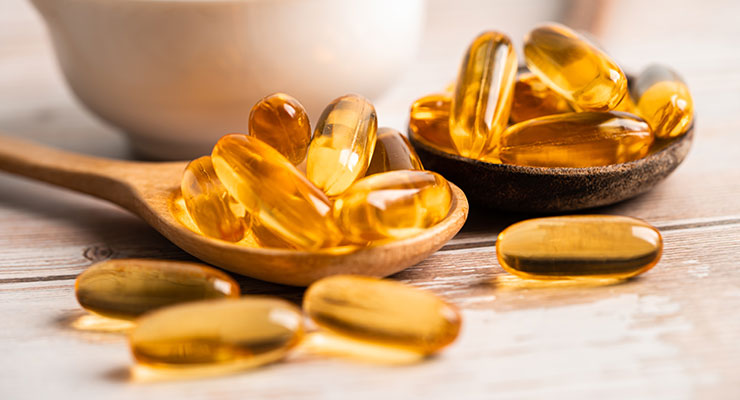
The populations of fish that supply the global omega-3 market are under stress. Whether due to overfishing, contamination, or other environmental factors like warming oceans and bycatch, the industry is being forced to look for supplemental and alternative sources for these vital fatty acids that we humans cannot make for ourselves and must consume in our diets or through supplements.
In this article we will explore some alternative sources of bioactive forms of omega-3 EPA, DHA, and even DPA. These sources are from parts of fish traditionally treated as waste streams and allocated for use in animal feed and fertilizers, and from certain species of microalgae.
While land-growing plants can provide natural shorter chain fatty acid precursors to EPA and DHA, the diets of most people today inhibit their ability to convert the precursors into the biologically important longer chain omega-3 fatty acids. Conversion of one of these precursors, alpha-linolenic acid (ALA)—found in certain nuts and seeds and their oils—to EPA is theoretically possible. However, most people on the Standard American Diet (SAD) do not convert enough to EPA, leading them to also be deficient in DPA and DHA.
The modern diet is high in pro-inflammatory omega-6 fats which saturate the shared enzyme pathways for conversion of ALA to EPA, leading many of us down a pathway of inflammation dysregulation.1 This is now known to manifest in multiple health conditions recognized today, such as Type 2 diabetes, cardiovascular disease, and metabolic syndrome. If EPA, DPA, and DHA are not consumed in adequate amounts in the diet or through supplementation, the body’s ability to resolve inflammation is limited. DHA is also well known to be especially crucial for fetal and infant neurological development, and visual and cognitive health.
When we eat these fish we consume omega-3s in their natural triglyceride form, which is 3 fatty acids attached to a glycerol “backbone.” These triglycerides may include individual omega-3 fatty acids as well as others, such as polyunsaturated omega-6 fatty acids and some saturated fats. Whole fish contain other beneficial nutrients and are an excellent source of protein. When fish are processed to produce a crude oil for use in further downstream manufacturing practices, the highest percentage of omega-3 levels attainable as a crude oil source is typically about 30% combined EPA and DHA, relative to the other types of fatty acids in the triglyceride blend. This is equivalent to daily consumption of fish (minus the protein) which is good for maintenance of health, but the EPA/DHA levels are not high enough to be used therapeutically.
Therapeutic use of omega-3 fatty acids must compensate for modern diets excessively high in omega-6 from seed and legume oils such as canola, corn, and soy, and from saturated fats from land animal products. Thus, most companies follow up crude oil extraction with a variety of processes to concentrate the EPA and DHA to a higher percentage of total fat. By default, this means other beneficial compounds may be processed out as the concentration of one or two compounds is increased.
The largest global suppliers of omega-3 fatty acids typically process the whole SBFs to get a crude oil in the natural triglyceride form, and the rest of the fish material goes into other products, including human and animal protein sources and agricultural fertilizers. Where whole fish are processed, there are often heavy metals and other man-made contaminants like PCBs and POCs to filter out, because these accumulate more in the muscle, bone, and viscera of the fish.
Tuna heads and fatty trim are naturally lower in mercury metals. No matter the fish of origin, the crude oil which is still in its natural triglyceride (TG) form, is typically dismantled through trans-esterification and the desired individual EPA and DHA fatty acids are then concentrated upwards.
Whether this processing occurs by the classic molecular distillation, or by MSET, TMET, CO2 extraction, and whether human-grade solvents are used, the goal is to create specified concentrations of omega-3 EPA and DHA fatty acids, and to eliminate most of the omega-6 and saturated fats in the crude oil. This leaves the omega-3s in what is called an Ethyl Ester (EE) fatty acid form, with each fatty acid bound to the alcohol component, ethanol.
While this form has been used in many clinical studies, it is not the form we consume in our diets. Unless consumed with a high-fat meal, EE fatty acids are less bioavailable than triglycerides. Thus, many companies in the natural products industry convert the EE form back into a triglyceride form (rTG) using various methods to join only the desired omega-3 fatty acids back to a glycerol backbone for enhanced stability and bioavailability. Enhanced bioavailability often means the effective dose will be lower, meaning we use fewer resources, which is a criterion of sustainability.
In essence, to get concentrated EPA, DPA, or DHA, the natural triglyceride fats are dismantled, certain free fatty acids are concentrated, other compounds are cast away, and the desired fatty acids are reassembled into a reverse triglyceride. The higher the heat and the more processing needed to clean up or isolate certain desired components of the crude oil, the more we lose certain delicate but important naturally occurring compounds, such as vitamins, minerals, Pro-Resolving Mediators, and Specialized Pro-Resolving Mediators.
In this article we will explore some of the omega-3 offerings that minimally and gently process their crude oil with the goal of maintaining a more natural profile of co-factors, while still delivering significant and consistent reportable levels of EPA, DHA, and even DPA.
What are Pro-Resolving Mediators? These lipid mediators are downstream metabolites of EPA, DHA, and even DPA, that animals can convert to potent natural bioactives (Specialized Pro-Resolving Mediators) that support “the normal resolution of inflammation,” before it can become chronic.
This metabolism of EPA, DHA, and DPA to SPMs naturally occurs in the fish under harsh environmental conditions, and it can occur in humans as well, although chronic stress often shunts the precursors into other pathways.
Unlike anti-inflammatory drugs, these metabolites do not block or inhibit normal immune function, nor do they carry the resulting risk of side effects associated with typical anti-inflammatory drugs like NSAIDs and steroids. They are known as immune-resolvins, acting as natural biologic catalysts for the resolution of inflammation, healing, and wound repair, and supporting the return to cellular homeostasis.
Again, conversion of EPA and DHA to PRMs and SPMs is impaired in many humans, and endogenous production of SPMs requires a consistent supply of EPA and DHA in the diet. Consuming an omega-3 product with quantified pre-existing PRMs and SPMs can ensure a consistent, daily supply of these pre-formed, inflammation-resolving lipid mediators.
While many cod liver oils currently on the market have been cleaned up enough to meet the standards for heavy metal and PCB/POC testing—and even to smell, taste, and look clean—they are sometimes stripped of certain nutrients that make cod liver oil special in the first place.
Cod liver is naturally rich in multiple bioactive forms of both vitamin A and D. Cultures that consume whole animals (land or marine) in climates with very little sun exposure, and limited or no access to fresh fruits and vegetables, gain important health benefits from these organ meats. Does your cod liver oil contain vitamins A and D? Is it naturally occurring or have synthetics been added to meet the label’s claim?
Even some of the cleanest cod liver oils in the natural products industry do not have significant levels of naturally occurring vitamins A and D because the processing necessary to remove discoloration, bad taste, fishy smell, heavy metals, and other contaminants from the oil—as well as the concentration process to raise the percentage of omega-3s—can all destroy or eliminate most of the naturally occurring vitamins and other healthy compounds in the oil. The excessive and high-temperature processing of almost all cod liver oil on the market strips the final oil of PRMs and SPMs as well.
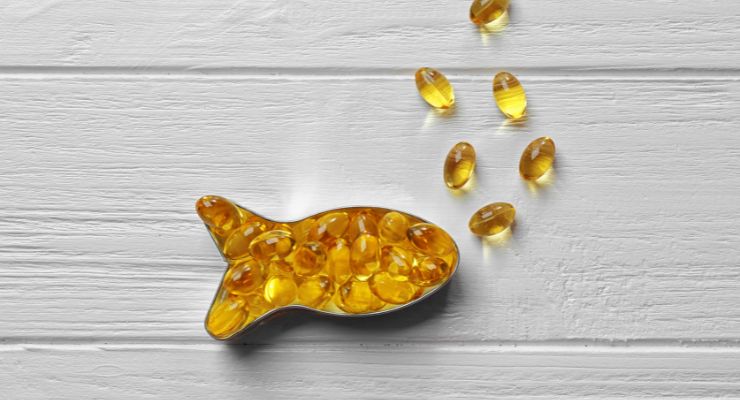
Additionally, they pursued a model of upcycling this important part of the cod that was previously chummed, while the filets went into our fish and chips. Bering Select operates out of Dutch Harbor, Alaska, and its fishing grounds are in the parts of the Bering Sea and Gulf of Alaska that are monitored and approved by the Marine Stewardship Council.
Cod are line-caught and individually handled by real people who make sure there is no bycatch. Livers are harvested and frozen immediately on board, brought back to Dutch Harbor, and gently processed in a pharmaceutical-grade facility. Heating of the frozen livers proceeds gently and gradually with strict control to simply separate the oil from other liver matter. Centrifugation completes the separation, and the final oil is a golden combination of beneficial fats in their natural forms, including omega-3s.
This level of care, from the fishing line to the bottle, yields an end-product that is naturally low in Totox levels (Totox = 2x’s Lipid Peroxides + Anisidine), naturally rich in congeners of vitamin A and D, naturally rich in EPA, DHA, and DPA, and high in quantifiable PRMs. The fishery and the process are Marine Stewardship Council (MSC) Certified, the product and process are certified organic, and the final product is Non-GMO Project Verified.
A few more words on naturally occurring vitamins A and D: You never consume it. Unless you eat raw organ meats (not even freeze-dried) you never get these bioactive vitamins straight from your food. They are different than what is found in our supplements.
Vitamin D in supplements is either made by UV irradiation of lanolin from sheep’s wool, fungi, algae, or lichen. Vitamin A is synthesized from natural plant beta-carotene at best, or de novo from laboratory chemicals at worst. Plus, dietary supplements usually only contain one congener, or form, of each vitamin.
Bering Select cod liver oil contains four congeners of vitamin A, and three congeners of vitamin D. There is not a food you can eat or supplement you can take that will have such bioactive A and D, which are crucial for optimum health, unless you are eating what you hunt nose to tail.
Herring are among the SBFs (Small Blue Fishes) that are common sources of omega-3 products globally. However, as mentioned before, typical omega-3 oils are sourced and processed from whole small fish or from the fatty parts of larger fish. The liver and the eggs are rich in a special array of nutrients not found in the meat or fatty tissues, and Arctic Biosciences takes advantage of the unique offerings inherent in the roe from wild herring spawning in the pristine cold northern waters.
Not surprisingly, the unfertilized fish egg contains naturally occurring nutrients that are comparable to those we find in human breast milk for the newborn infant. The DHA:EPA ratio is 3:1, but these are predominantly in the same polar phospholipid form as found in breast milk, rather than as the typical triglycerides we get from fish bodies or organs. This polarity lends a whole different level of bioavailability. PRMs and SPMs are abundant and quantifiable, like in the cod liver, and there is a consistent level of naturally occurring vitamin D.
Arctic Biosciences, located a few kilometers from the ancient and longstanding fisheries on the west coast of Norway, gently separates the lipids from the cellular membrane proteins, and uses both end products. The polar lipids go into their Romega Herring Caviar Oil, their omega-3 material with consistent reportable quantities of phosphatidyl choline, lyso-phosphatidyl choline, phosphatidyl ethanolamine, sphingomyelin, vitamin D3, PRMs, and individual SPMs.
The presence of all these value-added cofactors is a result of the gentle, relatively low-heat extraction using only non-GMO ethanol; and the lipids remain intact, compared to the heavy processing of most commercial fish oil. They also sell the residual membrane proteins as a compelling nutrient-dense product called Romega Herring Caviar Protein.
Why would we want a polar lipid delivery of our omega 3s as opposed to a neutral (triglyceride) form? Remember back to high-school biology where we learned about the “phospholipid bilayer” that composes the membrane of every single cell in our body. Phospholipids are what make an omega-3 polar; the fats can navigate and mix in a watery environment, enabling them to be digested more thoroughly, be evenly dispersed in the watery medium of the bloodstream, and to pass through cell membranes easily for functional uses.
In the case of lyso-phosphatidylcholine we get the added benefit of an escort for transporting DHA across the blood-brain barrier.2 The brain is where we need that DHA, since 90% of the omega-3 fats in the brain are DHA. In fact, DHA comprises up to 25% of all the types of fat in the brain. DHA comprises 50% of the fatty acids present in parts of the retina, and lyso-phosphatidylcholine transports DHA to the retina as well.
Current studies are pointing in the direction of all substances in the presence of these phospholipids also experiencing better absorption and cellular uptake, which is the main principle behind the products we see referred to as “liposomal.”
What about sustainability? We’ve heard about the burden overfishing causes in our oceans. We all want to leave a legacy to our children and grandchildren. The herring fisheries in Norway are over 1,000 years old. Herring is harvested as they return to these pristine arctic waters every February. Norway has always conscientiously managed the harvesting of the herring, leaving the majority to spawn and return to the ocean waters to maintain a stable population.
Today, the fisheries are governed by national regulations for local sustainability and certified by the Marine Stewardship Council. Harvested herring are filleted and sold into the local and international seafood industry, and any waste goes into aquaculture and animal feed. This used to include the caviar as well, but 20 years ago Arctic Biosciences developed its proprietary technique for upcycling this “residual” raw material. It’s hard to believe that caviar would ever be considered residual.
The company offers several different products with varying phospholipid concentrations in its product line called Romega Herring Caviar Oil.
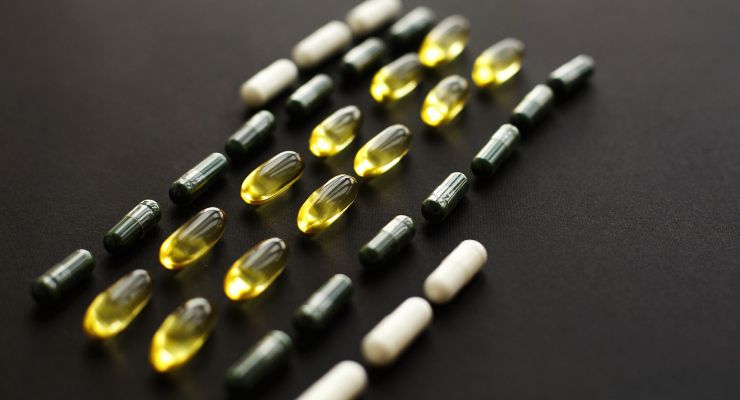
Algal oils are gaining traction in the marketplace and are high on the list of sustainable options. They have come a long way since first entering animal feed in the 1990s. Historically, algal oils have been much more expensive to produce than fish oils. However, with the cancellation of fishing seasons in huge grounds off the coast of Peru, and with reduced catch in areas that used to be more abundant, the prices are becoming comparable.
Changes in weather patterns affecting ocean currents and overfishing are both contributing to the reductions in the available supply of fish for fish oil. What about eating wild-caught fish, touted to be the best option for the health of those who can afford to buy it? If everyone in the world tried to optimize their omega-6:3 ratios by eating more wild-caught fish, fisheries would collapse. Some well-known organizations manage and certify fisheries, and for those who consume fish regularly it is a good idea to keep up on the data.3-5
With few exceptions, fish do not make the EPA, DHA, and DPA we are seeking. They get it from the microalgae or zooplankton like krill that are part of their diet. Even krill get their EPA and DHA from the algae. Thus, in our search for more sustainable and environmentally friendly options, eating lower on the food chain is often presented as the best idea. A common argument for a plant-based diet is that the lower we eat on the food chain, the less toxins are bioaccumulated in that food source. As with any cultivated and farmed food, this depends entirely upon how it is grown.
Algal omega-3 is produced through the cultivation of microalgae that have the natural ability to produce a variety of lipids, proteins, and in certain cases, glycolipids and phospholipids. In the algal omega-3 space, there are two main species used: Schizochytrium sp. for DHA and Nannochloropsis sp. for EPA. Each of these genera produce their respective fatty acids naturally, in varying degrees dependent upon their environment.
Whether the microalgae are grown in bioreactors, fermentation tanks, or open cultivation, conscientious companies strictly control the conditions to optimize the nutrients produced by each species of microalgae. Controlled inputs also prevent the bioaccumulation of contaminants that are unavoidable in wild fish, including most heavy metals, pesticides, microplastics, PCBs, and POCs. Another plus for algae is that the immediate onsite processing post-harvest tends to yield much lower oxidation, or TOTOX levels, compared to most oceanic products. This creates a final oil that many claim is more consumer-friendly, with a milder flavor profile and longer shelf life.
Schizochytrium sp. has been a common algal source of DHA for decades. With one proprietary exception, these species produce only DHA in significant amounts, some DPA, and little-to-no EPA. Multiple companies produce quality DHA omega-3 lipids by skipping all the “middlemen” and going straight to the algae.
It’s important to understand that we can cultivate single-celled microalgae to produce this class of lipids which is important to the wellbeing of numerous multi-celled creatures on this planet, including human infants.
In this industry, Schizochytrium sp. are cultured in fermentation tanks and require carbohydrates as their source of both energy and carbon. The source of these carbohydrates is one of the important factors that will determine sustainability and non-GMO status.
The exact ingredients in the fermentation medium are always proprietary and vary by supplier. Because of the close guarding of intellectual property, it is important to utilize third-party certifications to verify that the entire supply chain and feed chain has been investigated.
DHA from these species is a part of a lipid complex and comes only in a neutral, triglyceride-bound form, like we find it in fish.
Mara Renewables and its subsidiary Algarithm supply one of the only algal DHA ingredients that are Non-GMO Project Verified. Its specific wild strain of Schizochytrium sp. was originally isolated from the Bay of Fundy in Nova Scotia, Canada. Like most, these algae yield an oil that contains around 40% DHA. Fermentation, growth, and harvesting take place in the UK. The carbohydrate source for fermentation is undisclosed but is a non-GMO polysaccharide.
At the UK facility, the crude lipids are separated from polysaccharides and proteins using only enzymes and centrifugation. No solvents are used in the extraction process. This is a great moment to mention that the enzymes used must also be produced through non-GMO means for the final product to receive non-GMO verification.
The crude oil is cloudy orange in color, due to high carotenoid content. This can be great for health, but not so great for taste and experience in many human applications. The goal is to refine as little as possible, and this coloration is removed utilizing filters containing simple and non-toxic diatomaceous earth—diatom skeletons.
Algarithm further refines and develops products in Germany, where multiple offerings are created for a variety of applications. Algarithm is known for algal oil that is 40-50% DHA, pleasant tasting, and can be made into tasty emulsifications that even picky kids will like. The company’s AlphaMega3 oil is Non-GMO Project Verified.
Algal DHA options are abundant in the current marketplace at commodity prices. It is important to investigate the entire supply chain before choosing a brand to use in formulations.
While DHA from Schizochytrium sp. has been commercially available since the 1990s, the commercial availability of EPA directly from microalgae is relatively new. The microalgae most cultivated for the commercial production of EPA is Nannochloropsis sp., a self-reliant little alga that thrives in little more than seawater, sunlight, and CO2.
Using the power of sunlight as their energy source, these microalgae fix the carbon from CO2 and release oxygen in the process during sunlight hours. For each ton of algal biomass produced, approximately 2 tons of carbon are fixed into plant matter. With this algal biomass there is no waste, unlike in land plant biomass. There are no stems, leaves, or roots to dispose of.
Both the lipids and the proteins are usable for human and animal consumption. Nannochloropsis sp. produces an abundance of healthy fats and, uniquely, the majority as beneficial polar lipids (both phospholipids and glycolipids). The benefit of these polar lipids is realized in their unparalleled bioavailability. EPA from Nannochloropsis sp. appears in the blood plasma twice as fast as EPA from krill oil, even though krill is well known to be phospholipid-rich. The glycolipids produced only by certain algae seem to further enhance bioavailability.
Further, when standard DHA-rich neutral lipids (TG form) from Schizochytrium sp. are combined and consumed with polar lipids from Nannochloropsis sp., elevated bioavailability has been observed to be imparted to the neutral DHA.6
Nannochloropsis sp., having been well investigated, is known to produce a wealth of nutrients.7,8 Ongoing studies on algal EPA in polar lipid form are showing that it can be as effective in improving certain cardiovascular health metrics as prescription EPA ethyl ester, but requires less than a quarter of the dose. When combined with DHA that is in its neutral, non-polar form, ongoing studies show that both EPA and DHA blood levels rise.9,10 This means that non-polar (neutral) fatty acids can gain better bioavailability from being combined with polar lipids. This creates huge opportunities for formulating supplements utilizing blends of the higher EPA/DHA refined fish oils with the phospholipid- and glycolipid-containing polar algal oils. Less fish oil is required, with better effect.
With new consumer markets taking a keen interest in omega-3s for better health span, a flexible supply chain will be imperative. Lyxia’s model for growing and processing microalgae may make it competitive on price over the long term, where algal EPA has been historically much more expensive than fish oils or algal DHA. And Lyxia offers a variety of raw material options.
Utilizing Nannochloropsis gaditana, Lyxia begins its process in indoor flasks under artificial light with microalgal “seed” in modified artificial seawater. Conditions must be strictly controlled from the beginning. From there they move to a greenhouse tubular photobioreactor with filtered natural sunlight. Once the crop of algae is thriving and at the right population density, the company scales up to outdoor raceways designed with technologies for passive aeration, cooling, creation of current, and necessary turbulence to keep things fresh. They are mimicking oceanic conditions while controlling the purity of the seawater.
When it is time to harvest, they centrifuge out the seawater for recapture and reuse, flush with fresh water, dry to a dark-green powder that is stable for years, and extract only what they need for the moment. Using non-GMO ethanol, Lyxia extracts the algae to a defatted powder that is 70% protein with an excellent PDCAAS which currently goes into the aquaculture industry. This leaves oleoresin that contains 60-80% polar lipids, and EPA of 15-18%, predominantly in polar lipid form.
In addition to EPA, the dense, thick, dark-green oleoresin is full of phytonutrients (algal nutrients) like chlorophyll, carotenoids, biotin, vitamin E, and bioaccumulated calcium, phosphorus, potassium, and magnesium. Because of the viscosity of polar lipids, this crude oil is typically mixed 1:1 with other nutritive neutral (TG) lipids.
To make the final workable product, Lyxia offers multiple different EPA blends, with options such as coconut MCT, ALA-rich flaxseed, and DHA-rich non-polar algal oil. Besides adhering to all the GOED standards for safety and purity, Lyxia is moments away from Non-GMO Project Verification, an important accomplishment in algae cultivation and algal EPA-rich oil production.
Cultivation of microalgae is a new kind of farming, typically with less land and water use, and less wasted biomass than the farming of land plants. In other words, stalks and stems from most monocrop agriculture are cleared from the land as waste—even the roots in many cases.
Microalgae “farms” are being built in parts of the world not arable for farming or suitable for living, and near unique and sustainable sources of water and CO2. There are facilities located near glacial melt, and others near inland saltwater aquifers. There are facilities utilizing CO2 emissions from power plants, both combustion and geothermal.
Cultivation of microalgae promises to solve many of our problems now and in the future, and not only with the omega-3 supply chain. These two species mentioned, and others, produce important nutrients like proteins and vitamins and can be included in both human and animal diets. Microalgae are often fed to farmed fish, at least as part of their diet. Many species are being investigated and employed to clean up water and reduce toxic environmental pollutants globally.
Formulating an omega-3 product is challenging for a multitude of reasons. Supply shortages are becoming an issue with the usual SBFs. As ocean contamination increases, bioaccumulating in fish and krill, harsher processing is required to clean up their oils. Fishing vessels and processing facilities can require tremendous amounts of power, and the location of many processing facilities far away from the source of the oils leads to a tremendous amount of shipping around the globe before the final product in its bottle arrives in a store.
Additionally, every step in the supply chain must be considered to achieve non-GMO status: source, feed, enzymes, substrate for ethanol production, and carrier oils. Just when you think you have all that figured out, what about the softgel? It may be necessary to ship the raw material across the globe again to a facility that makes and fills the softgels.
Getting most of your nutrients from your diet is ideal, and many supplements can be delivered in capsules in a manner very similar to the way we eat these nutrients. Omega-3s are just not like that. They require some level of refining in all cases. And these are nutrients practically everyone needs to supplement due to excesses and deficiencies of the modern-day diet.
About the Author: Amber Lynn Vitale is Board Certified in Holistic Nutrition®, a Certified Dietary Supplement Professional™, and an Ayurvedic Clinical Consultant. Since 2008 she has been producing written and video educational content for many publications, an educational YouTube channel, and Instagram and Facebook pages. Amber is passionate about raw materials sourcing, labeling transparency, legitimate certifications, and education. Recently she founded Trifecta For Health, LLC using her years of experience to develop synergistic health protocols tailored to individual needs, and provide brand support for quality materials in the natural products industry.
2. Ahmmed, M. et al. (2022). Fish Roe: Biochemistry, Products, and Safety. Chapter 4: Fish roe phospholipids and health: composition, extraction, storage and brain health application.
3. Understanding Fisheries Management in the United States | NOAA Fisheries
4. Oceans at risk | Marine Stewardship Council
5. Why Sustainable | Friend of the Sea
6. Kagan, M. et al. (2013). Acute appearance of fatty acids in human plasma – a comparative study between polar-lipid rich oil from the microalgae Nannochloropsis oculata and krill oil in healthy young males. Lipids in Health and Disease 2013, 12:102.
7. Khatib, S. et al. (2018). Nannochloropsis sp. ethanol extract prevents macrophage and LDL oxidation and enhances PON1 activity through the principal active compound lyso-diacylglyceryltrimethylhomoserine (lyso-DGTS), Journal of Applied Phycology, Vol. 30, 2018.
8. Khattib, A. et al. (2019). Lyso-diacylglyceryltrimethylhomoserine (lyso-DGTS) isolated from Nannochloropsis microalgae improves high-density lipoprotein (HDL) functions. BioFactors. Vol. 46, No. 1, January/February 2020.
9. Yalagala, P. et al. (2019). Dietary lysophosphatidylcholine-EPA enriches both EPA and DHA in the brain: potential treatment for depression. Journal of Lipid Research. Vol. 60, No. 3. March 2019.
10. Guarneiri, L. et al. (2023). Comparison of the effects of a phospholipid-enhanced fish oil versus krill oil product on plasma levels of eicosapentaenoic and docosahexaenoic acids after acute administration: A randomized, double-blind, crossover study. Nutrition. Vol. 114 October 2023, 112090.
In this article we will explore some alternative sources of bioactive forms of omega-3 EPA, DHA, and even DPA. These sources are from parts of fish traditionally treated as waste streams and allocated for use in animal feed and fertilizers, and from certain species of microalgae.
While land-growing plants can provide natural shorter chain fatty acid precursors to EPA and DHA, the diets of most people today inhibit their ability to convert the precursors into the biologically important longer chain omega-3 fatty acids. Conversion of one of these precursors, alpha-linolenic acid (ALA)—found in certain nuts and seeds and their oils—to EPA is theoretically possible. However, most people on the Standard American Diet (SAD) do not convert enough to EPA, leading them to also be deficient in DPA and DHA.
The modern diet is high in pro-inflammatory omega-6 fats which saturate the shared enzyme pathways for conversion of ALA to EPA, leading many of us down a pathway of inflammation dysregulation.1 This is now known to manifest in multiple health conditions recognized today, such as Type 2 diabetes, cardiovascular disease, and metabolic syndrome. If EPA, DPA, and DHA are not consumed in adequate amounts in the diet or through supplementation, the body’s ability to resolve inflammation is limited. DHA is also well known to be especially crucial for fetal and infant neurological development, and visual and cognitive health.
Common Omega-3 Lipid Sources
We find the highest levels of polyunsaturated omega-3 fats in fish that inhabit cold or deep waters because these lipids are still fluid and functional in the fish even at the cold temperatures of their ocean environment. Saturated fats are not.When we eat these fish we consume omega-3s in their natural triglyceride form, which is 3 fatty acids attached to a glycerol “backbone.” These triglycerides may include individual omega-3 fatty acids as well as others, such as polyunsaturated omega-6 fatty acids and some saturated fats. Whole fish contain other beneficial nutrients and are an excellent source of protein. When fish are processed to produce a crude oil for use in further downstream manufacturing practices, the highest percentage of omega-3 levels attainable as a crude oil source is typically about 30% combined EPA and DHA, relative to the other types of fatty acids in the triglyceride blend. This is equivalent to daily consumption of fish (minus the protein) which is good for maintenance of health, but the EPA/DHA levels are not high enough to be used therapeutically.
Therapeutic use of omega-3 fatty acids must compensate for modern diets excessively high in omega-6 from seed and legume oils such as canola, corn, and soy, and from saturated fats from land animal products. Thus, most companies follow up crude oil extraction with a variety of processes to concentrate the EPA and DHA to a higher percentage of total fat. By default, this means other beneficial compounds may be processed out as the concentration of one or two compounds is increased.
Typical Fish Oil Processing Methods
Common global sources of omega-3 fish oil products are small blue fishes (SBFs) like herring, mackerel, anchovy, sardine, and menhaden. Additionally, some dietary supplement brands source omega-3s from pollock, cod, and salmon. Other compelling products even originate from the heads, tails, or fatty trim of large tuna.The largest global suppliers of omega-3 fatty acids typically process the whole SBFs to get a crude oil in the natural triglyceride form, and the rest of the fish material goes into other products, including human and animal protein sources and agricultural fertilizers. Where whole fish are processed, there are often heavy metals and other man-made contaminants like PCBs and POCs to filter out, because these accumulate more in the muscle, bone, and viscera of the fish.
Tuna heads and fatty trim are naturally lower in mercury metals. No matter the fish of origin, the crude oil which is still in its natural triglyceride (TG) form, is typically dismantled through trans-esterification and the desired individual EPA and DHA fatty acids are then concentrated upwards.
Whether this processing occurs by the classic molecular distillation, or by MSET, TMET, CO2 extraction, and whether human-grade solvents are used, the goal is to create specified concentrations of omega-3 EPA and DHA fatty acids, and to eliminate most of the omega-6 and saturated fats in the crude oil. This leaves the omega-3s in what is called an Ethyl Ester (EE) fatty acid form, with each fatty acid bound to the alcohol component, ethanol.
While this form has been used in many clinical studies, it is not the form we consume in our diets. Unless consumed with a high-fat meal, EE fatty acids are less bioavailable than triglycerides. Thus, many companies in the natural products industry convert the EE form back into a triglyceride form (rTG) using various methods to join only the desired omega-3 fatty acids back to a glycerol backbone for enhanced stability and bioavailability. Enhanced bioavailability often means the effective dose will be lower, meaning we use fewer resources, which is a criterion of sustainability.
In essence, to get concentrated EPA, DPA, or DHA, the natural triglyceride fats are dismantled, certain free fatty acids are concentrated, other compounds are cast away, and the desired fatty acids are reassembled into a reverse triglyceride. The higher the heat and the more processing needed to clean up or isolate certain desired components of the crude oil, the more we lose certain delicate but important naturally occurring compounds, such as vitamins, minerals, Pro-Resolving Mediators, and Specialized Pro-Resolving Mediators.
In this article we will explore some of the omega-3 offerings that minimally and gently process their crude oil with the goal of maintaining a more natural profile of co-factors, while still delivering significant and consistent reportable levels of EPA, DHA, and even DPA.
Alternative Wild Oceanic Sources of Omega-3 Lipids
Both cod liver and fish roe are parts of certain fish that were previously under-valued, chummed, or turned into animal feed, with only the protein-rich fish filets going into the frozen seafood section for humans. Both cod livers and fish roe are rich in nutrients either not found in the muscle and fat of the whole fish, or not found in the same quantities. Additionally, both are rich in Pro-Resolving Mediators (PRMs) and Specialized Pro-Resolving Mediators of inflammation (SPMs).What are Pro-Resolving Mediators? These lipid mediators are downstream metabolites of EPA, DHA, and even DPA, that animals can convert to potent natural bioactives (Specialized Pro-Resolving Mediators) that support “the normal resolution of inflammation,” before it can become chronic.
This metabolism of EPA, DHA, and DPA to SPMs naturally occurs in the fish under harsh environmental conditions, and it can occur in humans as well, although chronic stress often shunts the precursors into other pathways.
Unlike anti-inflammatory drugs, these metabolites do not block or inhibit normal immune function, nor do they carry the resulting risk of side effects associated with typical anti-inflammatory drugs like NSAIDs and steroids. They are known as immune-resolvins, acting as natural biologic catalysts for the resolution of inflammation, healing, and wound repair, and supporting the return to cellular homeostasis.
Again, conversion of EPA and DHA to PRMs and SPMs is impaired in many humans, and endogenous production of SPMs requires a consistent supply of EPA and DHA in the diet. Consuming an omega-3 product with quantified pre-existing PRMs and SPMs can ensure a consistent, daily supply of these pre-formed, inflammation-resolving lipid mediators.
Cod Liver Oil
Cod liver oil has a long history and a long list of purported benefits. Unfortunately, this history is rife with poor harvesting, processing, and preservation techniques. Many of us have stories about being forced by some well-meaning relative to take a spoonful of horrible looking, smelling, and tasting goop for any and every ailment.While many cod liver oils currently on the market have been cleaned up enough to meet the standards for heavy metal and PCB/POC testing—and even to smell, taste, and look clean—they are sometimes stripped of certain nutrients that make cod liver oil special in the first place.
Cod liver is naturally rich in multiple bioactive forms of both vitamin A and D. Cultures that consume whole animals (land or marine) in climates with very little sun exposure, and limited or no access to fresh fruits and vegetables, gain important health benefits from these organ meats. Does your cod liver oil contain vitamins A and D? Is it naturally occurring or have synthetics been added to meet the label’s claim?
Even some of the cleanest cod liver oils in the natural products industry do not have significant levels of naturally occurring vitamins A and D because the processing necessary to remove discoloration, bad taste, fishy smell, heavy metals, and other contaminants from the oil—as well as the concentration process to raise the percentage of omega-3s—can all destroy or eliminate most of the naturally occurring vitamins and other healthy compounds in the oil. The excessive and high-temperature processing of almost all cod liver oil on the market strips the final oil of PRMs and SPMs as well.
Bering Select
This is not your grandmother’s cod liver oil. This company and facility were founded by people who knew what they were looking for in the cod liver, and who set out to find a way to deliver a clear, pleasant tasting and smelling cod liver oil that maintains significant and consistent levels of these important naturally occurring compounds.Additionally, they pursued a model of upcycling this important part of the cod that was previously chummed, while the filets went into our fish and chips. Bering Select operates out of Dutch Harbor, Alaska, and its fishing grounds are in the parts of the Bering Sea and Gulf of Alaska that are monitored and approved by the Marine Stewardship Council.
Cod are line-caught and individually handled by real people who make sure there is no bycatch. Livers are harvested and frozen immediately on board, brought back to Dutch Harbor, and gently processed in a pharmaceutical-grade facility. Heating of the frozen livers proceeds gently and gradually with strict control to simply separate the oil from other liver matter. Centrifugation completes the separation, and the final oil is a golden combination of beneficial fats in their natural forms, including omega-3s.
This level of care, from the fishing line to the bottle, yields an end-product that is naturally low in Totox levels (Totox = 2x’s Lipid Peroxides + Anisidine), naturally rich in congeners of vitamin A and D, naturally rich in EPA, DHA, and DPA, and high in quantifiable PRMs. The fishery and the process are Marine Stewardship Council (MSC) Certified, the product and process are certified organic, and the final product is Non-GMO Project Verified.
A few more words on naturally occurring vitamins A and D: You never consume it. Unless you eat raw organ meats (not even freeze-dried) you never get these bioactive vitamins straight from your food. They are different than what is found in our supplements.
Vitamin D in supplements is either made by UV irradiation of lanolin from sheep’s wool, fungi, algae, or lichen. Vitamin A is synthesized from natural plant beta-carotene at best, or de novo from laboratory chemicals at worst. Plus, dietary supplements usually only contain one congener, or form, of each vitamin.
Bering Select cod liver oil contains four congeners of vitamin A, and three congeners of vitamin D. There is not a food you can eat or supplement you can take that will have such bioactive A and D, which are crucial for optimum health, unless you are eating what you hunt nose to tail.
Roe (The Fish Egg)
Fish roe is historically a part of the human diet but is only available seasonally. Preservation of fish roe through canning damages some of the delicate nutrients, yet this is how most of us access it in our diets, if we do at all. Roe is well-known to be a rich source of DHA, EPA, and a host of polar lipids that are not found in the fish body or liver. Processing in a way that maintains the viability of these nutrients has been the challenge.Romega from Arctic Biosciences
This DHA-rich omega-3 is sourced from Norwegian herring roe, also known as herring caviar. This may sound premium and, while the ingredients absolutely are, the price is becoming competitive with other high-quality omega-3s, especially those derived from algae.Herring are among the SBFs (Small Blue Fishes) that are common sources of omega-3 products globally. However, as mentioned before, typical omega-3 oils are sourced and processed from whole small fish or from the fatty parts of larger fish. The liver and the eggs are rich in a special array of nutrients not found in the meat or fatty tissues, and Arctic Biosciences takes advantage of the unique offerings inherent in the roe from wild herring spawning in the pristine cold northern waters.
Not surprisingly, the unfertilized fish egg contains naturally occurring nutrients that are comparable to those we find in human breast milk for the newborn infant. The DHA:EPA ratio is 3:1, but these are predominantly in the same polar phospholipid form as found in breast milk, rather than as the typical triglycerides we get from fish bodies or organs. This polarity lends a whole different level of bioavailability. PRMs and SPMs are abundant and quantifiable, like in the cod liver, and there is a consistent level of naturally occurring vitamin D.
Arctic Biosciences, located a few kilometers from the ancient and longstanding fisheries on the west coast of Norway, gently separates the lipids from the cellular membrane proteins, and uses both end products. The polar lipids go into their Romega Herring Caviar Oil, their omega-3 material with consistent reportable quantities of phosphatidyl choline, lyso-phosphatidyl choline, phosphatidyl ethanolamine, sphingomyelin, vitamin D3, PRMs, and individual SPMs.
The presence of all these value-added cofactors is a result of the gentle, relatively low-heat extraction using only non-GMO ethanol; and the lipids remain intact, compared to the heavy processing of most commercial fish oil. They also sell the residual membrane proteins as a compelling nutrient-dense product called Romega Herring Caviar Protein.
Why would we want a polar lipid delivery of our omega 3s as opposed to a neutral (triglyceride) form? Remember back to high-school biology where we learned about the “phospholipid bilayer” that composes the membrane of every single cell in our body. Phospholipids are what make an omega-3 polar; the fats can navigate and mix in a watery environment, enabling them to be digested more thoroughly, be evenly dispersed in the watery medium of the bloodstream, and to pass through cell membranes easily for functional uses.
In the case of lyso-phosphatidylcholine we get the added benefit of an escort for transporting DHA across the blood-brain barrier.2 The brain is where we need that DHA, since 90% of the omega-3 fats in the brain are DHA. In fact, DHA comprises up to 25% of all the types of fat in the brain. DHA comprises 50% of the fatty acids present in parts of the retina, and lyso-phosphatidylcholine transports DHA to the retina as well.
Current studies are pointing in the direction of all substances in the presence of these phospholipids also experiencing better absorption and cellular uptake, which is the main principle behind the products we see referred to as “liposomal.”
What about sustainability? We’ve heard about the burden overfishing causes in our oceans. We all want to leave a legacy to our children and grandchildren. The herring fisheries in Norway are over 1,000 years old. Herring is harvested as they return to these pristine arctic waters every February. Norway has always conscientiously managed the harvesting of the herring, leaving the majority to spawn and return to the ocean waters to maintain a stable population.
Today, the fisheries are governed by national regulations for local sustainability and certified by the Marine Stewardship Council. Harvested herring are filleted and sold into the local and international seafood industry, and any waste goes into aquaculture and animal feed. This used to include the caviar as well, but 20 years ago Arctic Biosciences developed its proprietary technique for upcycling this “residual” raw material. It’s hard to believe that caviar would ever be considered residual.
The company offers several different products with varying phospholipid concentrations in its product line called Romega Herring Caviar Oil.
Alternative Cultivated Sources of Vegan Omega-3 Lipids
Algae has long been considered a superfood, supplying a host of beneficial vitamins, minerals, peptides, lipids, and polysaccharides. Remember blue-green algae and spirulina? They are still around and getting better with age.Algal oils are gaining traction in the marketplace and are high on the list of sustainable options. They have come a long way since first entering animal feed in the 1990s. Historically, algal oils have been much more expensive to produce than fish oils. However, with the cancellation of fishing seasons in huge grounds off the coast of Peru, and with reduced catch in areas that used to be more abundant, the prices are becoming comparable.
Changes in weather patterns affecting ocean currents and overfishing are both contributing to the reductions in the available supply of fish for fish oil. What about eating wild-caught fish, touted to be the best option for the health of those who can afford to buy it? If everyone in the world tried to optimize their omega-6:3 ratios by eating more wild-caught fish, fisheries would collapse. Some well-known organizations manage and certify fisheries, and for those who consume fish regularly it is a good idea to keep up on the data.3-5
With few exceptions, fish do not make the EPA, DHA, and DPA we are seeking. They get it from the microalgae or zooplankton like krill that are part of their diet. Even krill get their EPA and DHA from the algae. Thus, in our search for more sustainable and environmentally friendly options, eating lower on the food chain is often presented as the best idea. A common argument for a plant-based diet is that the lower we eat on the food chain, the less toxins are bioaccumulated in that food source. As with any cultivated and farmed food, this depends entirely upon how it is grown.
Algal omega-3 is produced through the cultivation of microalgae that have the natural ability to produce a variety of lipids, proteins, and in certain cases, glycolipids and phospholipids. In the algal omega-3 space, there are two main species used: Schizochytrium sp. for DHA and Nannochloropsis sp. for EPA. Each of these genera produce their respective fatty acids naturally, in varying degrees dependent upon their environment.
Whether the microalgae are grown in bioreactors, fermentation tanks, or open cultivation, conscientious companies strictly control the conditions to optimize the nutrients produced by each species of microalgae. Controlled inputs also prevent the bioaccumulation of contaminants that are unavoidable in wild fish, including most heavy metals, pesticides, microplastics, PCBs, and POCs. Another plus for algae is that the immediate onsite processing post-harvest tends to yield much lower oxidation, or TOTOX levels, compared to most oceanic products. This creates a final oil that many claim is more consumer-friendly, with a milder flavor profile and longer shelf life.
Schizochytrium sp. has been a common algal source of DHA for decades. With one proprietary exception, these species produce only DHA in significant amounts, some DPA, and little-to-no EPA. Multiple companies produce quality DHA omega-3 lipids by skipping all the “middlemen” and going straight to the algae.
It’s important to understand that we can cultivate single-celled microalgae to produce this class of lipids which is important to the wellbeing of numerous multi-celled creatures on this planet, including human infants.
In this industry, Schizochytrium sp. are cultured in fermentation tanks and require carbohydrates as their source of both energy and carbon. The source of these carbohydrates is one of the important factors that will determine sustainability and non-GMO status.
The exact ingredients in the fermentation medium are always proprietary and vary by supplier. Because of the close guarding of intellectual property, it is important to utilize third-party certifications to verify that the entire supply chain and feed chain has been investigated.
DHA from these species is a part of a lipid complex and comes only in a neutral, triglyceride-bound form, like we find it in fish.
Mara Renewables and its subsidiary Algarithm supply one of the only algal DHA ingredients that are Non-GMO Project Verified. Its specific wild strain of Schizochytrium sp. was originally isolated from the Bay of Fundy in Nova Scotia, Canada. Like most, these algae yield an oil that contains around 40% DHA. Fermentation, growth, and harvesting take place in the UK. The carbohydrate source for fermentation is undisclosed but is a non-GMO polysaccharide.
At the UK facility, the crude lipids are separated from polysaccharides and proteins using only enzymes and centrifugation. No solvents are used in the extraction process. This is a great moment to mention that the enzymes used must also be produced through non-GMO means for the final product to receive non-GMO verification.
The crude oil is cloudy orange in color, due to high carotenoid content. This can be great for health, but not so great for taste and experience in many human applications. The goal is to refine as little as possible, and this coloration is removed utilizing filters containing simple and non-toxic diatomaceous earth—diatom skeletons.
Algarithm further refines and develops products in Germany, where multiple offerings are created for a variety of applications. Algarithm is known for algal oil that is 40-50% DHA, pleasant tasting, and can be made into tasty emulsifications that even picky kids will like. The company’s AlphaMega3 oil is Non-GMO Project Verified.
Algal DHA options are abundant in the current marketplace at commodity prices. It is important to investigate the entire supply chain before choosing a brand to use in formulations.
While DHA from Schizochytrium sp. has been commercially available since the 1990s, the commercial availability of EPA directly from microalgae is relatively new. The microalgae most cultivated for the commercial production of EPA is Nannochloropsis sp., a self-reliant little alga that thrives in little more than seawater, sunlight, and CO2.
Using the power of sunlight as their energy source, these microalgae fix the carbon from CO2 and release oxygen in the process during sunlight hours. For each ton of algal biomass produced, approximately 2 tons of carbon are fixed into plant matter. With this algal biomass there is no waste, unlike in land plant biomass. There are no stems, leaves, or roots to dispose of.
Both the lipids and the proteins are usable for human and animal consumption. Nannochloropsis sp. produces an abundance of healthy fats and, uniquely, the majority as beneficial polar lipids (both phospholipids and glycolipids). The benefit of these polar lipids is realized in their unparalleled bioavailability. EPA from Nannochloropsis sp. appears in the blood plasma twice as fast as EPA from krill oil, even though krill is well known to be phospholipid-rich. The glycolipids produced only by certain algae seem to further enhance bioavailability.
Further, when standard DHA-rich neutral lipids (TG form) from Schizochytrium sp. are combined and consumed with polar lipids from Nannochloropsis sp., elevated bioavailability has been observed to be imparted to the neutral DHA.6
Nannochloropsis sp., having been well investigated, is known to produce a wealth of nutrients.7,8 Ongoing studies on algal EPA in polar lipid form are showing that it can be as effective in improving certain cardiovascular health metrics as prescription EPA ethyl ester, but requires less than a quarter of the dose. When combined with DHA that is in its neutral, non-polar form, ongoing studies show that both EPA and DHA blood levels rise.9,10 This means that non-polar (neutral) fatty acids can gain better bioavailability from being combined with polar lipids. This creates huge opportunities for formulating supplements utilizing blends of the higher EPA/DHA refined fish oils with the phospholipid- and glycolipid-containing polar algal oils. Less fish oil is required, with better effect.
Lyxia
Operating on non-arable oceanside land in southern China, near the border with Vietnam, Lyxia promises to be a major player in the algal EPA supply chain. Its ability to scale up production as demand increases positions the company to help meet the omega-3 supply gap.With new consumer markets taking a keen interest in omega-3s for better health span, a flexible supply chain will be imperative. Lyxia’s model for growing and processing microalgae may make it competitive on price over the long term, where algal EPA has been historically much more expensive than fish oils or algal DHA. And Lyxia offers a variety of raw material options.
Utilizing Nannochloropsis gaditana, Lyxia begins its process in indoor flasks under artificial light with microalgal “seed” in modified artificial seawater. Conditions must be strictly controlled from the beginning. From there they move to a greenhouse tubular photobioreactor with filtered natural sunlight. Once the crop of algae is thriving and at the right population density, the company scales up to outdoor raceways designed with technologies for passive aeration, cooling, creation of current, and necessary turbulence to keep things fresh. They are mimicking oceanic conditions while controlling the purity of the seawater.
When it is time to harvest, they centrifuge out the seawater for recapture and reuse, flush with fresh water, dry to a dark-green powder that is stable for years, and extract only what they need for the moment. Using non-GMO ethanol, Lyxia extracts the algae to a defatted powder that is 70% protein with an excellent PDCAAS which currently goes into the aquaculture industry. This leaves oleoresin that contains 60-80% polar lipids, and EPA of 15-18%, predominantly in polar lipid form.
In addition to EPA, the dense, thick, dark-green oleoresin is full of phytonutrients (algal nutrients) like chlorophyll, carotenoids, biotin, vitamin E, and bioaccumulated calcium, phosphorus, potassium, and magnesium. Because of the viscosity of polar lipids, this crude oil is typically mixed 1:1 with other nutritive neutral (TG) lipids.
To make the final workable product, Lyxia offers multiple different EPA blends, with options such as coconut MCT, ALA-rich flaxseed, and DHA-rich non-polar algal oil. Besides adhering to all the GOED standards for safety and purity, Lyxia is moments away from Non-GMO Project Verification, an important accomplishment in algae cultivation and algal EPA-rich oil production.
Cultivation of microalgae is a new kind of farming, typically with less land and water use, and less wasted biomass than the farming of land plants. In other words, stalks and stems from most monocrop agriculture are cleared from the land as waste—even the roots in many cases.
Microalgae “farms” are being built in parts of the world not arable for farming or suitable for living, and near unique and sustainable sources of water and CO2. There are facilities located near glacial melt, and others near inland saltwater aquifers. There are facilities utilizing CO2 emissions from power plants, both combustion and geothermal.
Cultivation of microalgae promises to solve many of our problems now and in the future, and not only with the omega-3 supply chain. These two species mentioned, and others, produce important nutrients like proteins and vitamins and can be included in both human and animal diets. Microalgae are often fed to farmed fish, at least as part of their diet. Many species are being investigated and employed to clean up water and reduce toxic environmental pollutants globally.
Formulating an omega-3 product is challenging for a multitude of reasons. Supply shortages are becoming an issue with the usual SBFs. As ocean contamination increases, bioaccumulating in fish and krill, harsher processing is required to clean up their oils. Fishing vessels and processing facilities can require tremendous amounts of power, and the location of many processing facilities far away from the source of the oils leads to a tremendous amount of shipping around the globe before the final product in its bottle arrives in a store.
Additionally, every step in the supply chain must be considered to achieve non-GMO status: source, feed, enzymes, substrate for ethanol production, and carrier oils. Just when you think you have all that figured out, what about the softgel? It may be necessary to ship the raw material across the globe again to a facility that makes and fills the softgels.
Getting most of your nutrients from your diet is ideal, and many supplements can be delivered in capsules in a manner very similar to the way we eat these nutrients. Omega-3s are just not like that. They require some level of refining in all cases. And these are nutrients practically everyone needs to supplement due to excesses and deficiencies of the modern-day diet.
About the Author: Amber Lynn Vitale is Board Certified in Holistic Nutrition®, a Certified Dietary Supplement Professional™, and an Ayurvedic Clinical Consultant. Since 2008 she has been producing written and video educational content for many publications, an educational YouTube channel, and Instagram and Facebook pages. Amber is passionate about raw materials sourcing, labeling transparency, legitimate certifications, and education. Recently she founded Trifecta For Health, LLC using her years of experience to develop synergistic health protocols tailored to individual needs, and provide brand support for quality materials in the natural products industry.
References
1. Innes, K., Calder, P. (2018). Omega-6 fatty acids and inflammation. Prostaglandins, Leukotrienes and Essential Fatty Acids. March 22, 2018.2. Ahmmed, M. et al. (2022). Fish Roe: Biochemistry, Products, and Safety. Chapter 4: Fish roe phospholipids and health: composition, extraction, storage and brain health application.
3. Understanding Fisheries Management in the United States | NOAA Fisheries
4. Oceans at risk | Marine Stewardship Council
5. Why Sustainable | Friend of the Sea
6. Kagan, M. et al. (2013). Acute appearance of fatty acids in human plasma – a comparative study between polar-lipid rich oil from the microalgae Nannochloropsis oculata and krill oil in healthy young males. Lipids in Health and Disease 2013, 12:102.
7. Khatib, S. et al. (2018). Nannochloropsis sp. ethanol extract prevents macrophage and LDL oxidation and enhances PON1 activity through the principal active compound lyso-diacylglyceryltrimethylhomoserine (lyso-DGTS), Journal of Applied Phycology, Vol. 30, 2018.
8. Khattib, A. et al. (2019). Lyso-diacylglyceryltrimethylhomoserine (lyso-DGTS) isolated from Nannochloropsis microalgae improves high-density lipoprotein (HDL) functions. BioFactors. Vol. 46, No. 1, January/February 2020.
9. Yalagala, P. et al. (2019). Dietary lysophosphatidylcholine-EPA enriches both EPA and DHA in the brain: potential treatment for depression. Journal of Lipid Research. Vol. 60, No. 3. March 2019.
10. Guarneiri, L. et al. (2023). Comparison of the effects of a phospholipid-enhanced fish oil versus krill oil product on plasma levels of eicosapentaenoic and docosahexaenoic acids after acute administration: A randomized, double-blind, crossover study. Nutrition. Vol. 114 October 2023, 112090.